
Senior dog pee pads for incontinence work best when you match the pad to the leak pattern, not just the dog’s weight or “overnight” label. If you’re dealing with dribbles, full bladder releases, or nighttime accidents, the difference between a decent pad and a truly leakproof setup shows up fast on your floors, your dog’s skin, and your daily routine.
This topic matters because senior incontinence usually isn’t a one-size problem. Some dogs leak while walking, some can’t hold it after sleeping, and some have mobility limits that turn “almost made it” into a puddle at the edge of the pad. A pad that curls, slides, or wicks urine onto paws can create a cycle of mess and irritation.
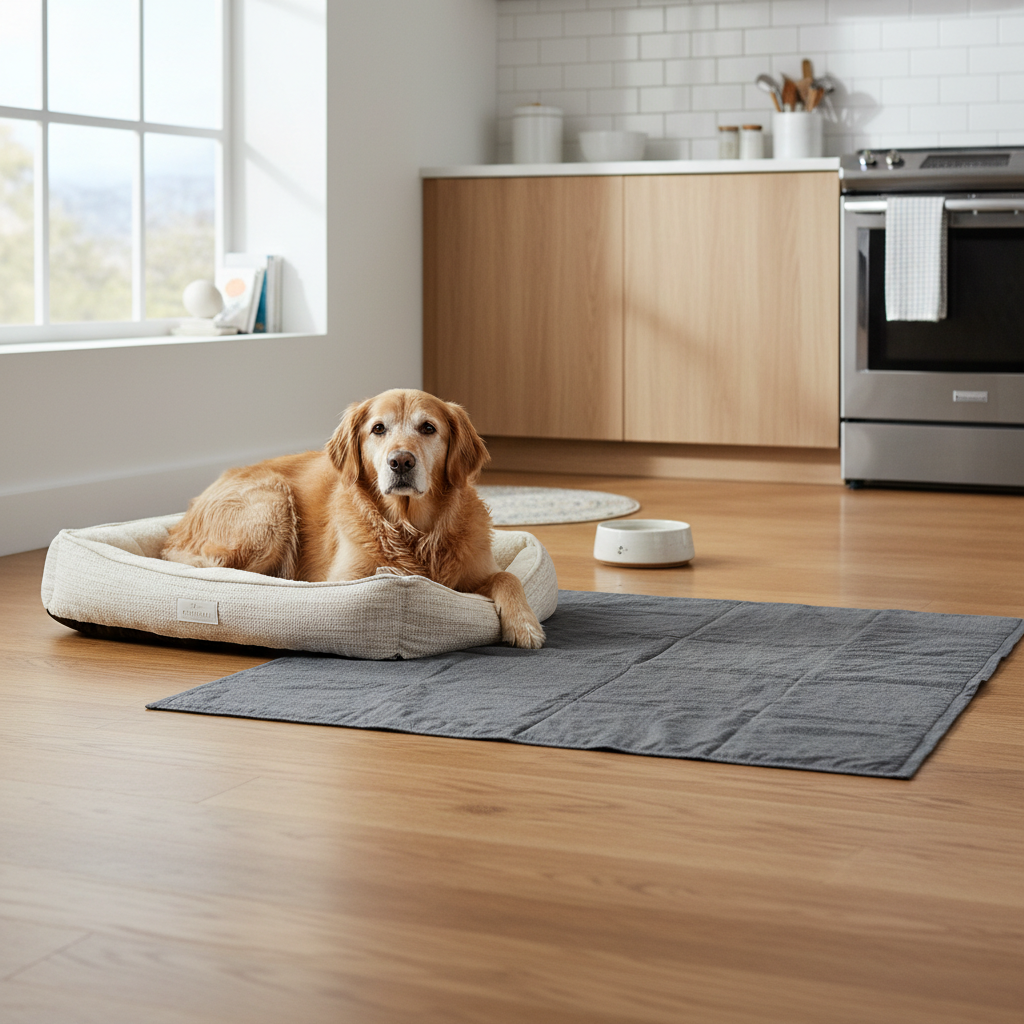
Below is a practical way to choose pads, set them up so they stay leakproof, and spot when the real answer may be a vet visit or a different tool, like washable pads or a belly band. I’ll also call out the common “it says leakproof, so why is it leaking?” traps, because that’s usually where people get stuck.
Why senior dogs leak (and why pads sometimes “fail”)
Incontinence in older dogs can come from a few different places, and your pad needs to cope with the type of moisture, not just volume.
- Hormone-related urethral weakness: common in spayed females, leaks often happen during rest or sleep.
- Mobility and arthritis: dogs may not get outside in time, or they squat slowly and miss the pad edge.
- Cognitive changes: some seniors forget cues or don’t signal consistently.
- Urinary tract issues: UTIs, stones, or inflammation can increase urgency and accidents.
- Medication side effects: certain drugs can increase thirst/urination.
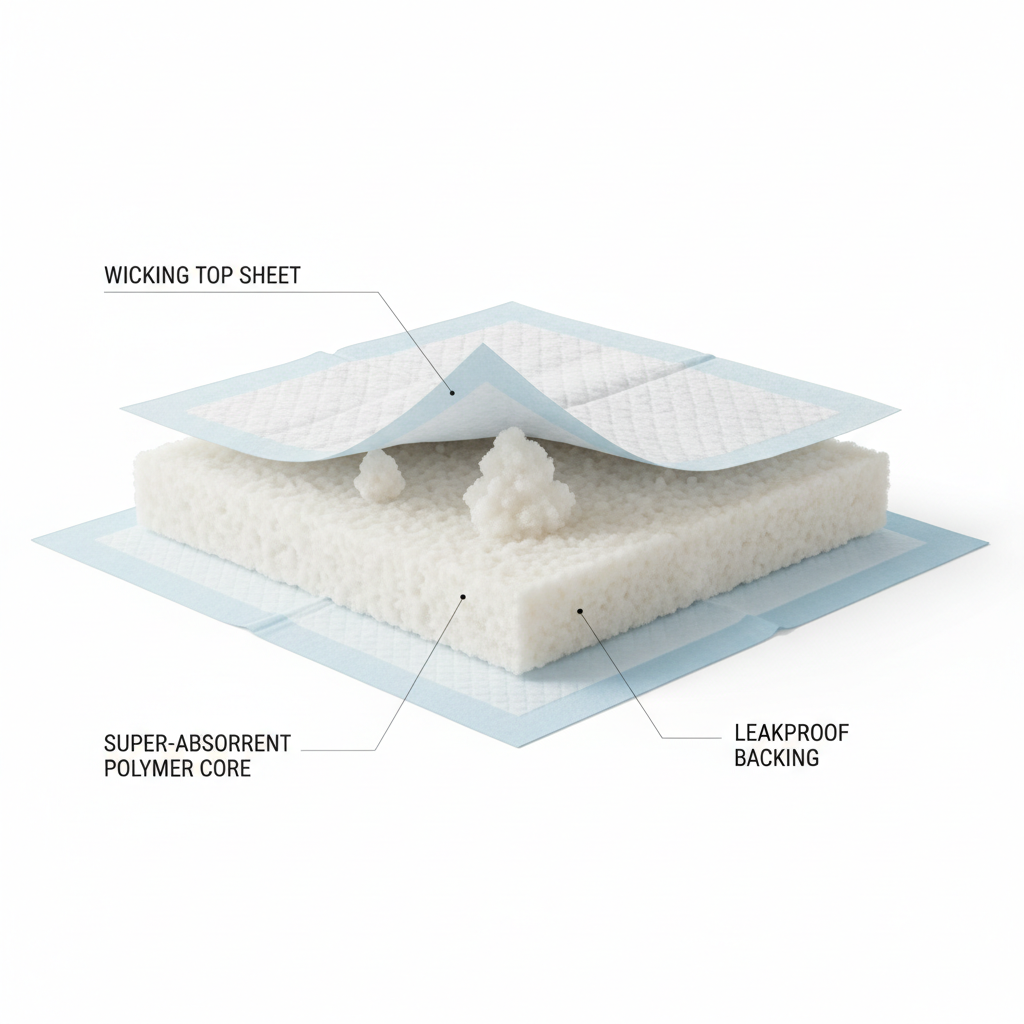
And here’s the part people hate hearing, but it’s true: “Leakproof” often means the backing resists liquid, not that the top sheet prevents tracking, edge seepage, or overflow when saturation is reached. Most leaks happen because of pad shift, undersizing, or pooling faster than the core absorbs.
According to the American Veterinary Medical Association (AVMA), house soiling can be linked to medical issues, so it’s smart to rule out treatable causes if the behavior changes suddenly or escalates.
Quick self-check: what kind of accidents are you actually dealing with?
Before buying another box, take two days and observe patterns. This usually saves money and frustration.
- Small dribbles along walking paths: likely needs wider coverage and better wicking top layer to reduce tracking.
- Large single puddles: prioritize high-capacity core and larger pad size, plus frequent swaps.
- Mostly at night: focus on “overnight” absorbency, pad anchoring, and protecting bedding zones.
- Edge misses: go bigger than you think, or use overlapping pads/taped seams in a defined station.
- Wet paws or belly: you need faster strike-through (top sheet) and a drier surface, not just “more layers.”
If your dog strains to urinate, urinates in tiny amounts repeatedly, or seems painful, treat that as a medical issue rather than a pad problem.
What “leakproof” should mean: the 6 features that matter
When shopping for senior dog pee pads for incontinence, you can ignore most marketing phrases and focus on these specs and behaviors.
- Absorbent core capacity: prevents overflow during a full release.
- Fast wicking top layer: pulls liquid down quickly, helps paws stay drier.
- True waterproof backing: blocks moisture from reaching floors, especially on tile/wood.
- Edge containment: raised edge design or sealed border reduces side seepage.
- Pad stability: adhesive tabs or grippy backing to prevent sliding and bunching.
- Odor control that doesn’t irritate: fragrance can bother some dogs, unscented is often safer.
One more real-world detail: if the accident happens in the same corner every time, a “better pad” may not fix it until the station makes that corner easy to hit. Seniors often repeat what feels stable underfoot.
Choosing the right pad: a practical comparison table
Use this as a quick match between your situation and what to prioritize. Labels vary by brand, so treat “overnight” and “extra large” as relative.
| Situation | What to prioritize | Common mistake |
|---|---|---|
| Nighttime bed leaks | Max absorbency + large size + dry surface | Using a small pad and hoping “thicker” fixes edge misses |
| Dribbling while walking | Multiple pads forming a path + fast wicking top | Only placing one pad in a corner |
| Full releases (bladder empties) | High-capacity core + frequent changes | Expecting one pad to last all day |
| Pad gets pushed/bunched | Sticky tabs or grippy backing + tray/holder | Putting pads on slick floors with no anchoring |
| Sensitive skin or rashes | Unscented + breathable top + more frequent swaps | Leaving a damp pad too long because it “still absorbs” |
Setup that actually prevents leaks: step-by-step
The best pad can still leak if it’s placed like a temporary afterthought. A stable “bathroom station” usually wins.
1) Go larger than the dog’s footprint
If your dog’s stance or aim varies, sizing by “body weight” can under-shoot. Many homes do better with an XL pad or two pads overlapped, especially for senior hips that don’t squat evenly.
2) Anchor the pad so it can’t migrate
- Use adhesive corners if the brand includes them, press firmly on clean, dry floor.
- Consider a pad holder or shallow tray if your dog tends to dig or circle.
- If you overlap pads, place the top pad edge facing away from the most common urine direction to reduce wicking out.
3) Add a “catch zone” for edge misses
If accidents land just outside the pad, place a second pad adjacent, or create a 2x2 grid. It looks a bit extra, but it often stops daily floor cleanup immediately.
4) Set a change schedule based on saturation, not time
With senior dog pee pads for incontinence, saturation can happen quickly at night or after water-heavy meals. If the pad feels gel-heavy, rippled, or stays glossy-wet on top, treat it as “done.”
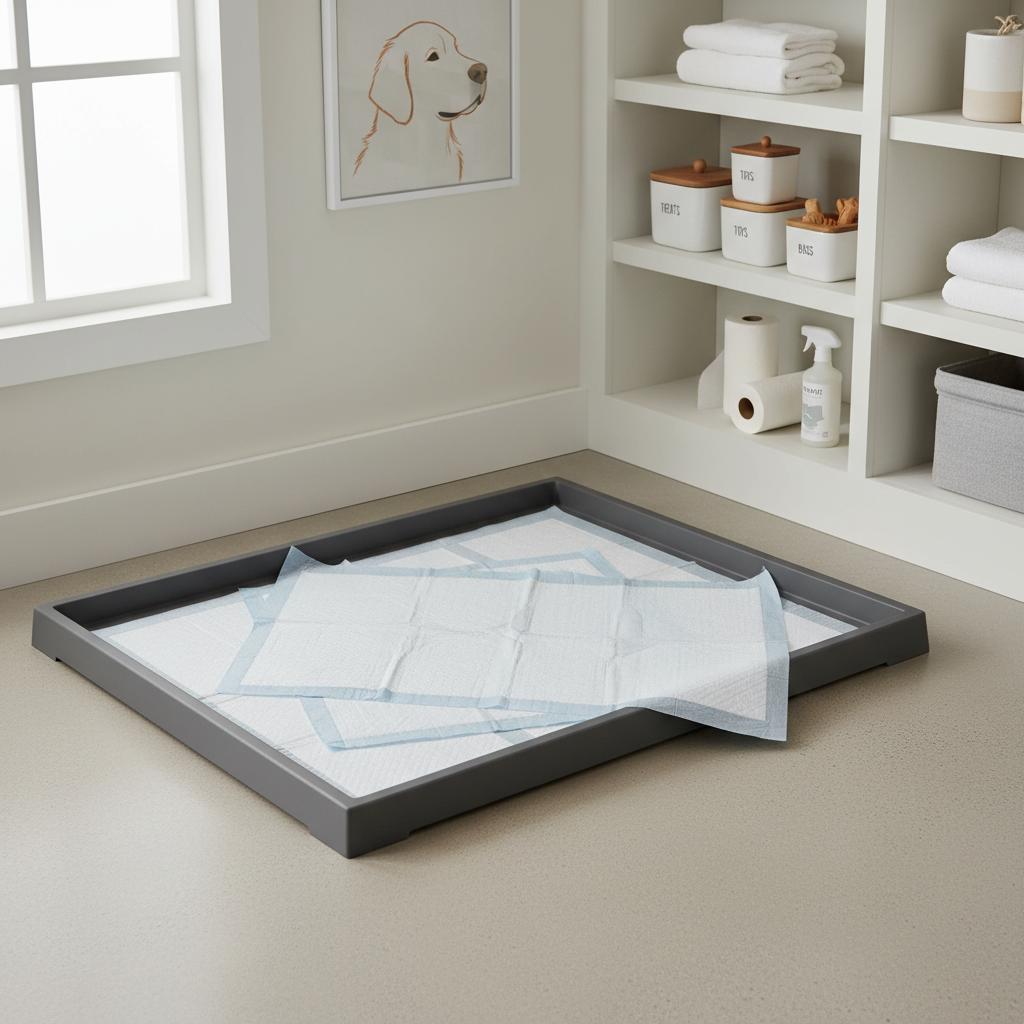
Key takeaways that tend to make the biggest difference:
- Most “leaks” are edge misses or pad shift, not backing failure.
- Size beats thickness in many households with senior mobility issues.
- Dry surface matters if your dog has thin skin or licks paws.
When disposable pads aren’t enough: upgrade options that pair well
Some homes keep disposable pads but add one layer of protection to stop repeat mess.
- Washable pee pads: good for frequent leaks, often larger and less slippery, but you’ll need a laundry routine.
- Waterproof mattress covers or pet bed liners: useful for nighttime incontinence, reduces stress if a pad shifts.
- Belly bands or dog diapers: can help with dribbling, but must be changed often to avoid skin irritation.
- Non-slip rugs with waterproof backing: helpful under a pad station, especially on hardwood.
According to the American Kennel Club (AKC), senior dogs can develop incontinence for several reasons, and management often works best when you combine vet guidance with practical home setup changes.
Common mistakes that cause odor, tracking, and surprise floor damage
- Leaving a “mostly fine” pad down too long: the top can re-wet and transfer urine back to fur.
- Using scented pads to fight odor: it may mask smell for humans, but some dogs avoid the area.
- Placing pads on unsealed wood without a secondary barrier: repeated humidity can discolor floors over time.
- Cleaning misses with ammonia-based products: the odor can resemble urine and may encourage repeat accidents.
- Assuming it’s “just old age”: sudden changes deserve a check, even if pads help day-to-day.
When to talk to a veterinarian (and what to ask)
Pads are management, not diagnosis. If you see red flags, it’s reasonable to loop in a professional.
- New incontinence that starts abruptly over days, not gradually.
- Blood in urine, strong odor changes, fever, lethargy, or apparent pain.
- Straining, frequent squat attempts with little output, or accidents plus vomiting.
- Incontinence paired with increased thirst, appetite changes, or weight loss.
You can ask about possible UTI screening, underlying conditions, medication options, and skin-care steps if there’s irritation. According to the American Animal Hospital Association (AAHA), wellness exams for senior pets help catch issues early, which can matter a lot with urinary changes.
Conclusion: keep it leakproof by designing the routine, not just buying thicker pads
Senior dog pee pads for incontinence work best when you treat them like part of a small system: right size, stable placement, realistic change timing, and a backup barrier where leaks tend to happen. If you do those few things well, most homes see fewer “mystery leaks” and a calmer cleanup routine.
If you want a simple next step, pick one room, build a dedicated pad station with extra coverage for edge misses, then adjust after two days of observing where the urine actually lands.
FAQ
What size should I buy for an incontinent senior dog?
Many households do better sizing up from the weight chart, especially if mobility issues cause wide stance changes or partial misses. If accidents keep landing just off the pad, go larger before you go thicker.
Why do “leakproof” pads still leak onto my floor?
Most of the time it’s shift, bunching, or urine reaching the edge and wicking out, not the backing. Anchoring the pad and adding a catch zone usually solves more than switching brands repeatedly.
How often should I change pee pads for incontinence?
It depends on volume and timing, but the practical rule is: change when the surface re-wets, smells stronger, or the pad feels swollen and gel-heavy. Overnight setups often need a morning swap even if the pad looks okay.
Are scented pee pads safe for older dogs?
Some dogs tolerate them, others avoid the area or lick more. If your dog has sensitive skin or seems bothered, unscented options are usually the safer bet.
Can pee pads cause rashes or skin irritation?
They can if moisture stays against the skin or if a dog lies on a damp pad. More frequent changes, a drier top layer, and trimming long hair around the area may help, but persistent redness is worth discussing with a veterinarian.
Should I use washable pads instead of disposable?
Washable pads can be great for frequent leaks and bigger coverage, but you’ll need a consistent laundry routine. Some people use washable at night and disposable during the day for convenience.
Do belly bands or diapers replace pee pads?
They can reduce mess for dribbling, but they still require frequent changing and skin checks. Many homes use them as an extra layer while keeping a pad station available.
When is incontinence an emergency?
Straining with little urine, apparent pain, blood in urine, or sudden major changes deserve prompt veterinary attention. Pads can help contain mess, but they don’t address the underlying cause.
If you’re dealing with frequent overnight leaks or daily dribbles, a more “set-and-forget” approach often comes from combining larger leakproof pads with a stable station setup and a realistic change schedule, it’s usually less work than chasing the perfect pad description online.