
Best pet water bottles for travel are the ones your dog or cat will actually drink from, won’t leak in a backpack, and stay easy to clean after day three of road snacks and slobber.
If you’ve ever pulled a “mostly empty” bottle out of your bag or watched your pet ignore a fancy dispenser at a rest stop, you already know the annoying truth, most travel hydration problems come down to mismatched design, not “bad pets.”
This guide breaks down what matters in 2026, which features are worth paying for, how to choose a size that fits your route, and quick routines that keep the bottle safe and stink-free.
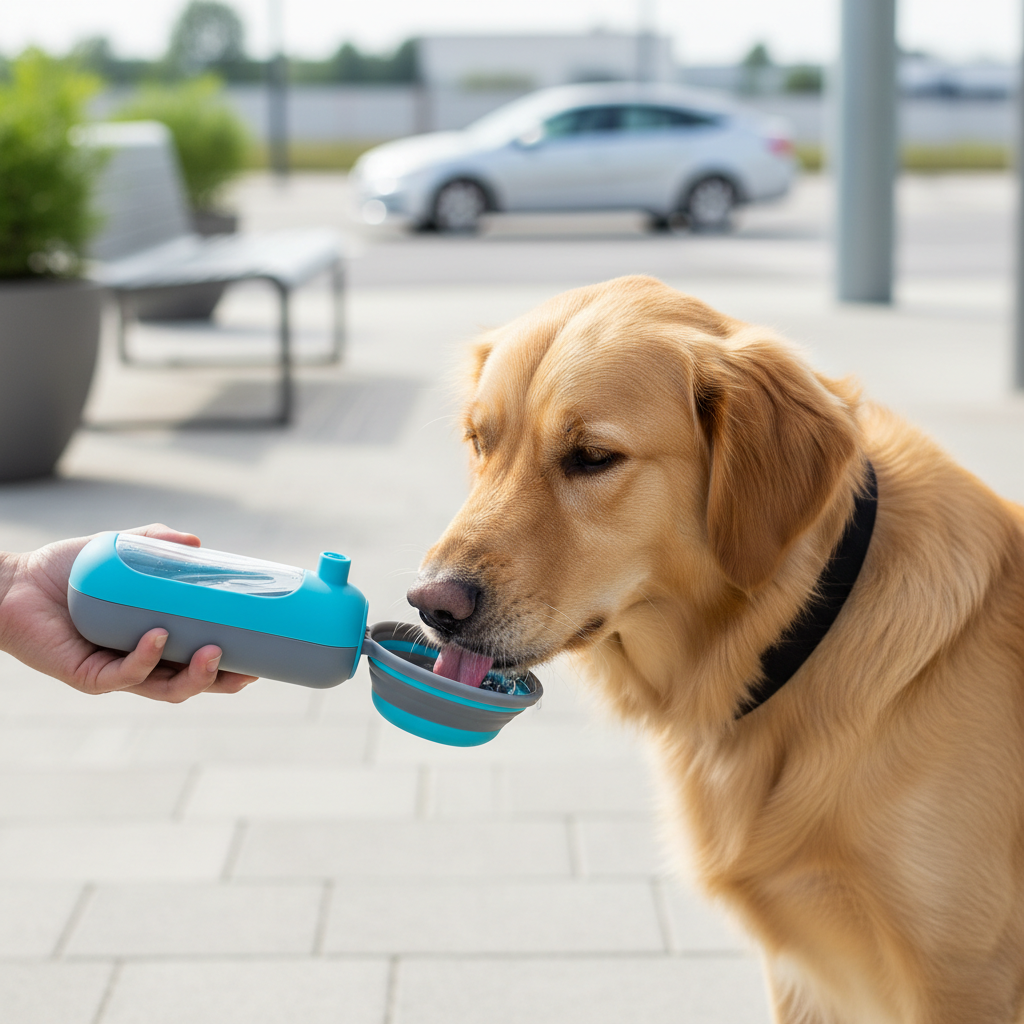
What “best” really means for travel bottles in 2026
People shop for “best” as if one bottle wins for every trip, but travel is messy, heat, distance, your pet’s muzzle shape, and where you store the bottle all change the answer. A good pick usually nails three things, hydration access, leak control, and cleanability.
- Hydration access: your pet can drink fast without stress, even in a moving car stop or crowded trailhead.
- Leak control: no slow seep into a backpack, seat pocket, or carrier.
- Cleanability: wide openings, simple valves, and parts you can scrub, not just rinse.
According to American Veterinary Medical Association (AVMA), dehydration can become a concern quickly in hot conditions or with heavy activity, so it’s smart to plan regular water breaks rather than “waiting until they look thirsty.” If your pet has health conditions, your veterinarian can help you set safer hydration routines.
Quick comparison table: common travel bottle types
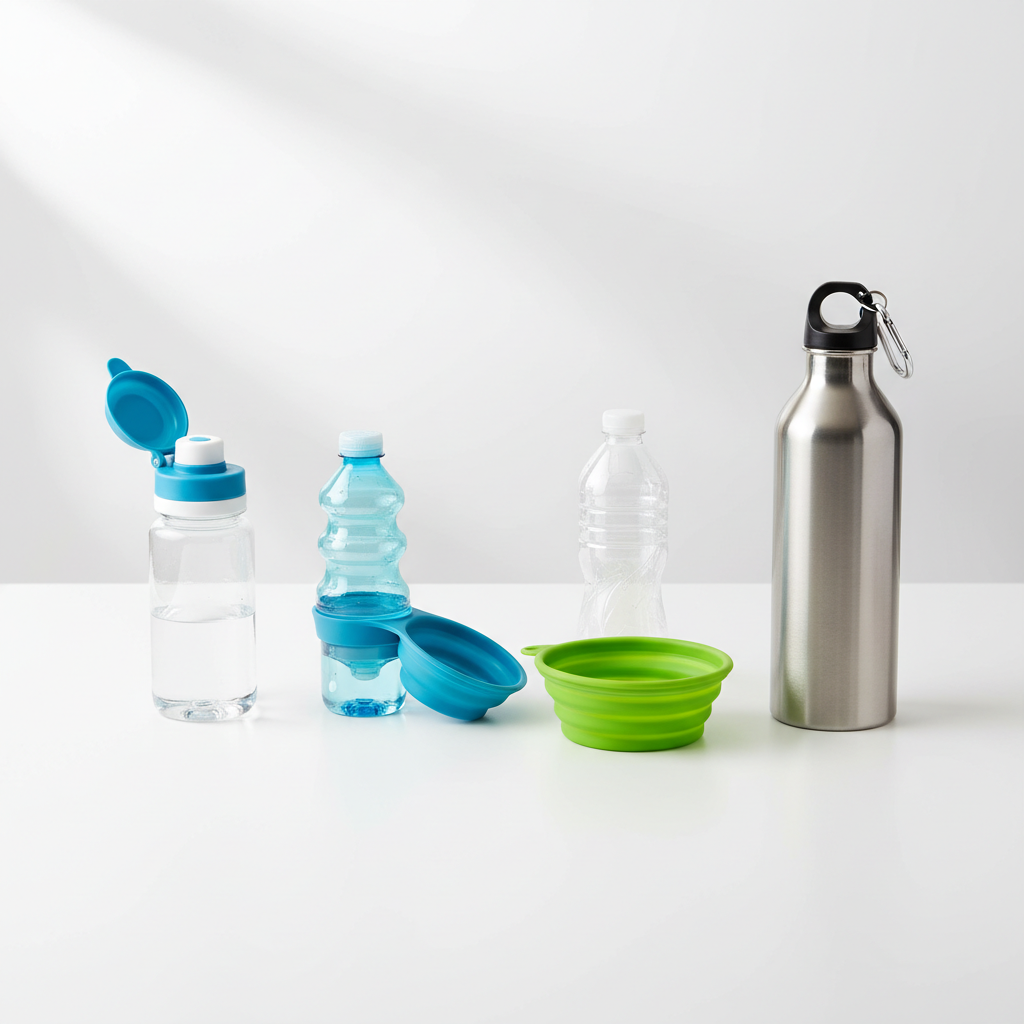
Most products fall into a few designs, and knowing the trade-offs saves time. Here’s a practical way to compare without getting lost in marketing terms.
| Type | Best for | Pros | Watch-outs |
|---|---|---|---|
| Bottle with attached trough/bowl | Road trips, quick stops | Fast to offer water, one-hand use common | Valves can trap residue, some leak if lock is weak |
| Squeeze bottle (feeds into bowl) | Hikes, active dogs | Control the flow, less wasted water | Needs squeezing, awkward with gloves or small hands |
| Collapsible bowl + regular bottle | Minimalists, multi-pet | Easy to clean, flexible sizing | Two items to manage, spills if bowl tips |
| Thermal/insulated bottle + separate bowl | Hot climates, long outdoor days | Keeps water cooler longer | Heavier, more expensive, still needs a bowl solution |
How to choose the right bottle (use this checklist)
Before you read reviews, decide what your trip demands. This is the part most people skip, then blame the product when it doesn’t match their routine.
Trip and storage realities
- Where will it live? Backpack side pocket, car cup holder, stroller basket, or clipped to a leash.
- How often will you refill? City travel with tap access differs from remote trails.
- Will you share between pets? If yes, cleaning speed matters more.
Pet fit and drinking style
- Muzzle shape: flat-faced breeds often do better with wider troughs, not narrow spouts.
- “Gulper” vs “sipper”: gulpers need a larger bowl area to avoid splashing.
- Shy drinkers: quieter valves and stable bowls reduce hesitation in public.
Materials and safety basics
- Food-contact safe materials: look for clear manufacturer statements and avoid strong plastic odors.
- Dishwasher-safe parts: convenient, but check whether the valve is truly dishwasher-safe or “top rack only.”
- Locking mechanism: a real lock beats a “tight cap” if you toss it in a bag.
Features that matter most (and which ones are mostly hype)
In the best pet water bottles for travel category, a few features actually change your day, others just sound good on a listing.
Worth prioritizing
- True leak lock: a slide lock or twist lock that blocks the valve, not just a cap.
- Wide mouth for cleaning: if you can’t get a brush in, buildup happens fast.
- One-hand operation: when you’re holding a leash, keys, or a carrier, this becomes the whole game.
- Measured volume marks: helpful for pets with vet-directed intake guidelines, though you should confirm needs with a professional.
Nice-to-have, depends on your use
- Insulation: great in heat, but weight adds up on hikes.
- Carabiner and strap: useful, but only if it doesn’t swing and bump your leg for miles.
- Filter insert: can help with taste in some locations, yet it adds parts to clean and replace.
Often overrated
- Ultra-complex no-spill valves: some reduce leaks but increase cleaning headaches.
- Giant capacity for “all day”: carrying extra water sounds smart, until your bottle is bulky and you stop bringing it.
Real-world picks by scenario (how most people actually travel)
Instead of pretending one product wins, match the design to the trip. Use these as buying “lanes” when you shop.
Road trips and errands
Look for an attached trough bottle with a solid lock and a bowl shape your pet understands immediately. In cars, the biggest failure is slow leakage, so prioritize lock strength and cap sealing over “cute” extras.
- Choose medium capacity so it fits door pockets or cup holders.
- Bring a small microfiber cloth, it fixes 80% of minor drips without drama.
Hikes and outdoor days
Squeeze bottles or collapsible bowls work well because you can control portions and avoid dumping half your water on the ground. If you hike in hot areas, consider carrying extra water separately, then using a simple bowl for serving.
- Pick a bottle you can open and close quickly, cold hands and stiff caps are a real thing.
- Favor fewer parts, sand and grit love complicated valves.
Air travel and airports
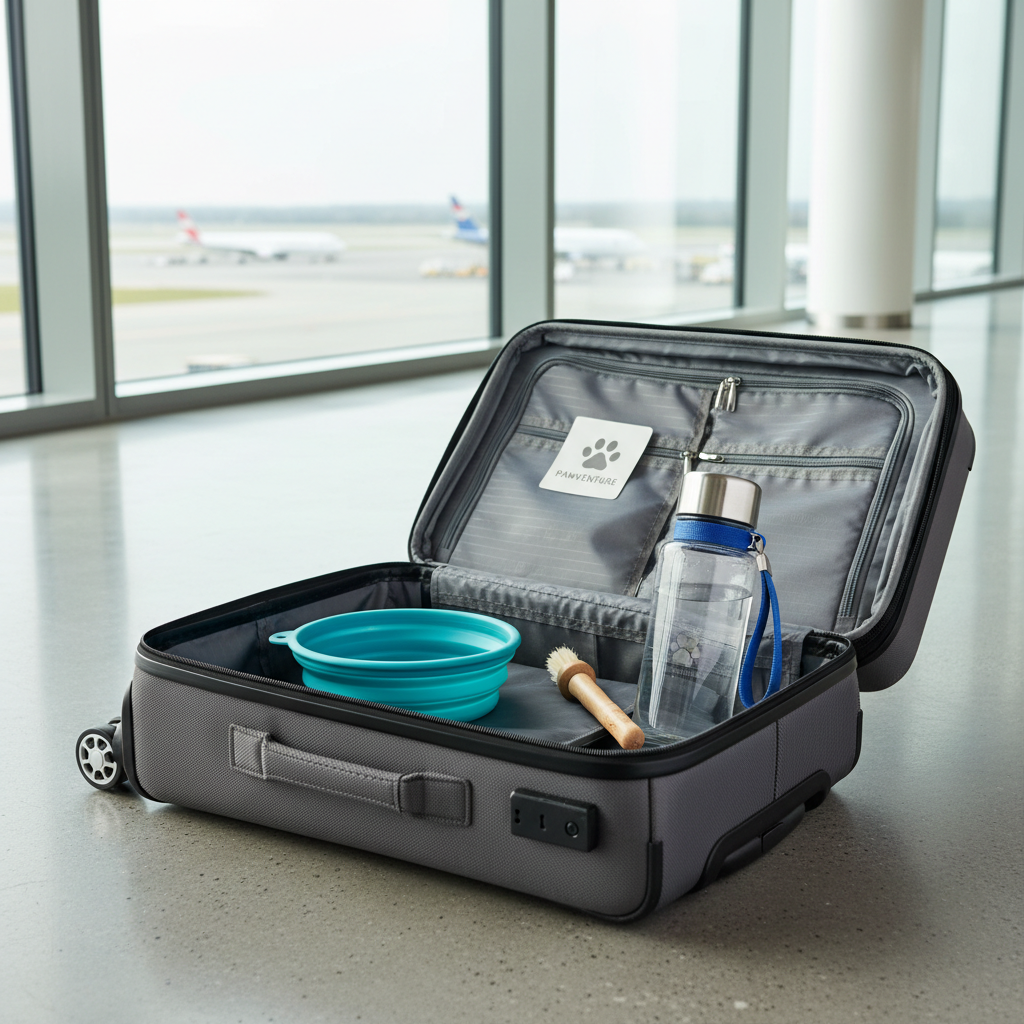
Airports reward compact, leak-proof setups. A collapsible bowl paired with a standard bottle you already trust is often simpler, because you can empty and refill easily after security depending on airline rules and local policies.
- Keep the bowl accessible, not buried under chargers.
- Offer small sips more often, travel stress can change drinking behavior.
How to use a travel water bottle without spills (simple routine)
Most complaints about travel bottles come from technique and timing, not just the product. A few habits make almost any decent bottle work better.
- Prime the bottle at home: fill it, lock it, shake it over a sink, then store it sideways for 10 minutes to test leaks.
- Offer water on predictable cues: after 10–20 minutes of activity, after potty breaks, and before getting back in the car.
- Use “two-step serving”: unlock only when the bottle is upright, then lock before you move it back toward your bag.
- Don’t chase “perfectly clean” on the trail: just keep the mouth area free of dirt, deep cleaning can wait until you’re home.
If your pet pants heavily, seems unusually tired, or refuses water during heat or activity, it may signal discomfort or illness. According to American Kennel Club (AKC), heat-related problems can escalate, so it’s wise to cool down, offer small amounts of water, and contact a veterinarian when symptoms worry you.
Cleaning and maintenance: keeping it safe and not gross
This is where “best pet water bottles for travel” turns from a shopping question into a habit question. Residue builds up fastest in valves, straw-like channels, and silicone seals.
A quick cleaning plan that’s realistic
- Daily on trips: rinse with warm water, pay attention to the bowl area and cap threads.
- Every 2–3 days: wash with dish soap, use a small brush for spouts and channels, then air-dry fully.
- Weekly or after messy trips: disassemble if the design allows, check gaskets for slime or odor.
Key points people miss
- Drying matters: sealing a damp bottle in a bag encourages smells.
- Replace worn seals: when leaks “suddenly” start, it’s often a gasket problem.
- Avoid harsh cleaners: if you use anything stronger than dish soap, read manufacturer guidance, and rinse thoroughly.
Common mistakes to avoid when buying and using
These show up constantly in reviews, and they’re usually avoidable with a small mindset shift.
- Buying too big: if it’s annoying to carry, you’ll leave it at home, then hydration becomes random.
- Ignoring bowl geometry: shallow troughs can frustrate bigger tongues, deeper bowls can splash for fast drinkers.
- Over-trusting “leak-proof” claims: test it yourself before your first long drive.
- Not practicing: some pets need a few calm tries at home to understand the new bottle.
Conclusion: a travel bottle you’ll actually keep using
The best pet water bottles for travel usually come down to a boring win, a design your pet accepts instantly, a lock that prevents backpack surprises, and a shape you can clean without swearing at tiny parts.
If you want a simple next step, pick the bottle type that matches your most common trip, then do the at-home leak test and a two-minute “practice drink” before you commit to using it on a long day out.