
best pet grooming wipes hypoallergenic is the phrase people end up searching when regular wipes leave their dog itchy, their cat sneezing, or their own hands irritated after cleanup.
If you have a pet with sensitive skin, seasonal allergies, or a history of reactions, wipes can feel like a gamble. The tricky part is that “hypoallergenic” often signals “fewer common triggers,” not “reaction-proof,” so it helps to know what actually matters on a label and what to test at home.
This guide breaks down what to look for, what to avoid, and how to use grooming wipes without accidentally creating more irritation. You’ll also get a simple comparison table, a quick self-check, and a practical wipe routine for paws, faces, ears, and in-between moments.
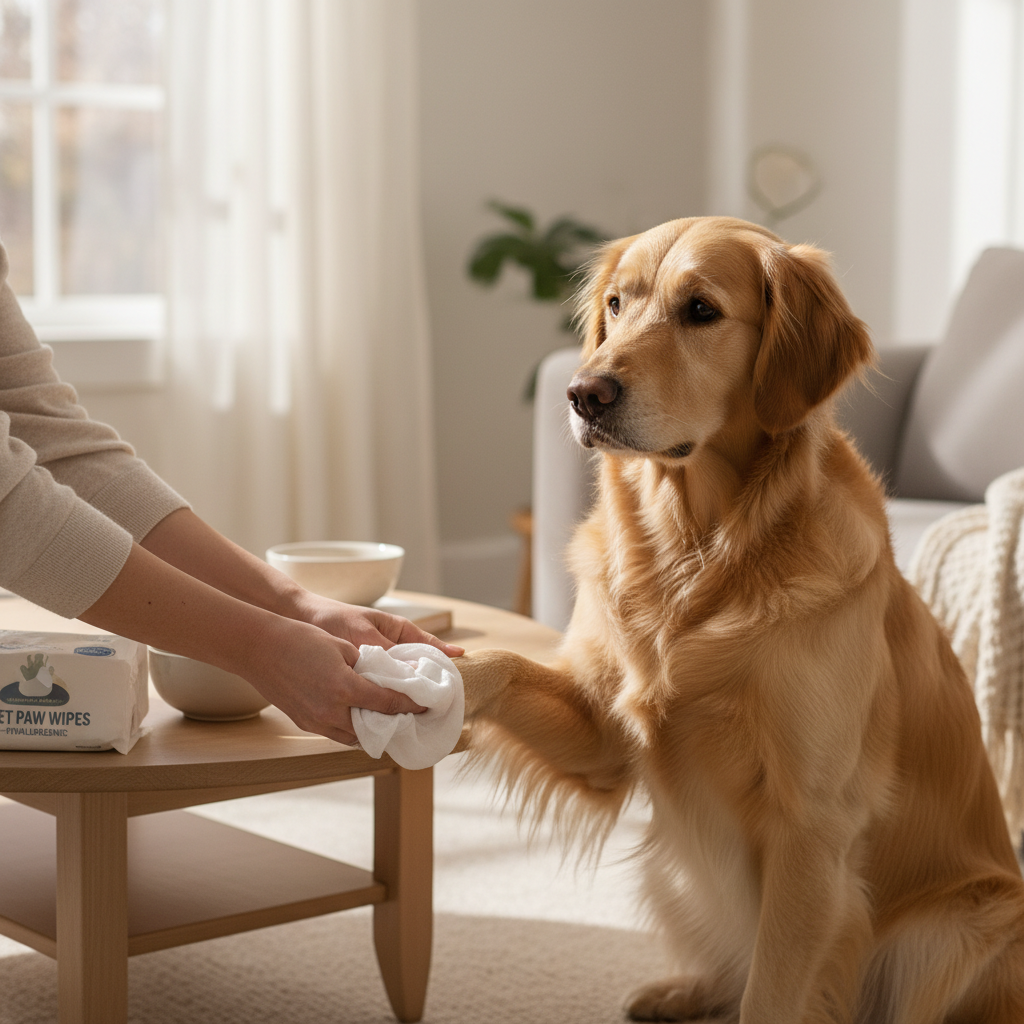
What “hypoallergenic” really means for pet wipes
On pet grooming wipes, “hypoallergenic” usually means the formula tries to reduce common irritants, often by skipping heavy fragrance, harsh detergents, or certain preservatives. It does not guarantee your pet won’t react, especially if they already have dermatitis, yeast issues, or environmental allergies.
Two helpful ways to think about it:
- Trigger-minimizing: fewer perfumes, dyes, and sensitizing ingredients.
- Barrier-friendly: gentler cleansers, skin-soothing additives, and a pH that tends to be more appropriate for pets.
According to the American Kennel Club (AKC), skin irritation and allergies in dogs can show up as itching, redness, and recurrent skin/ear problems, and management often includes avoiding triggers and using appropriate topical care.
Who should prioritize hypoallergenic grooming wipes
Even healthy pets benefit from wipes after a muddy walk, but hypoallergenic options matter more in a few common scenarios. This is where “best” becomes personal.
- Sensitive skin: frequent itching, belly redness, or paw licking that flares after cleaning.
- Seasonal/environmental allergies: pollen and outdoor allergens cling to fur and paws.
- After grooming or baths: skin can be slightly more reactive when freshly washed or clipped.
- Senior pets: thinner skin, slower healing, more dryness.
- Multi-pet homes: cats in particular can be more sensitive to certain essential oils and strong fragrances.
If your pet has open sores, hot spots, or an active ear infection, wipes might still help with gentle external cleanup, but it’s often smarter to ask your veterinarian what to use and what to skip.
Ingredients: what to look for (and what to avoid)
When you’re hunting for the best pet grooming wipes hypoallergenic option, ingredients matter more than marketing claims. A “natural” wipe can still cause a reaction, and an unscented wipe can still contain sensitizers.
Usually better bets for sensitive pets
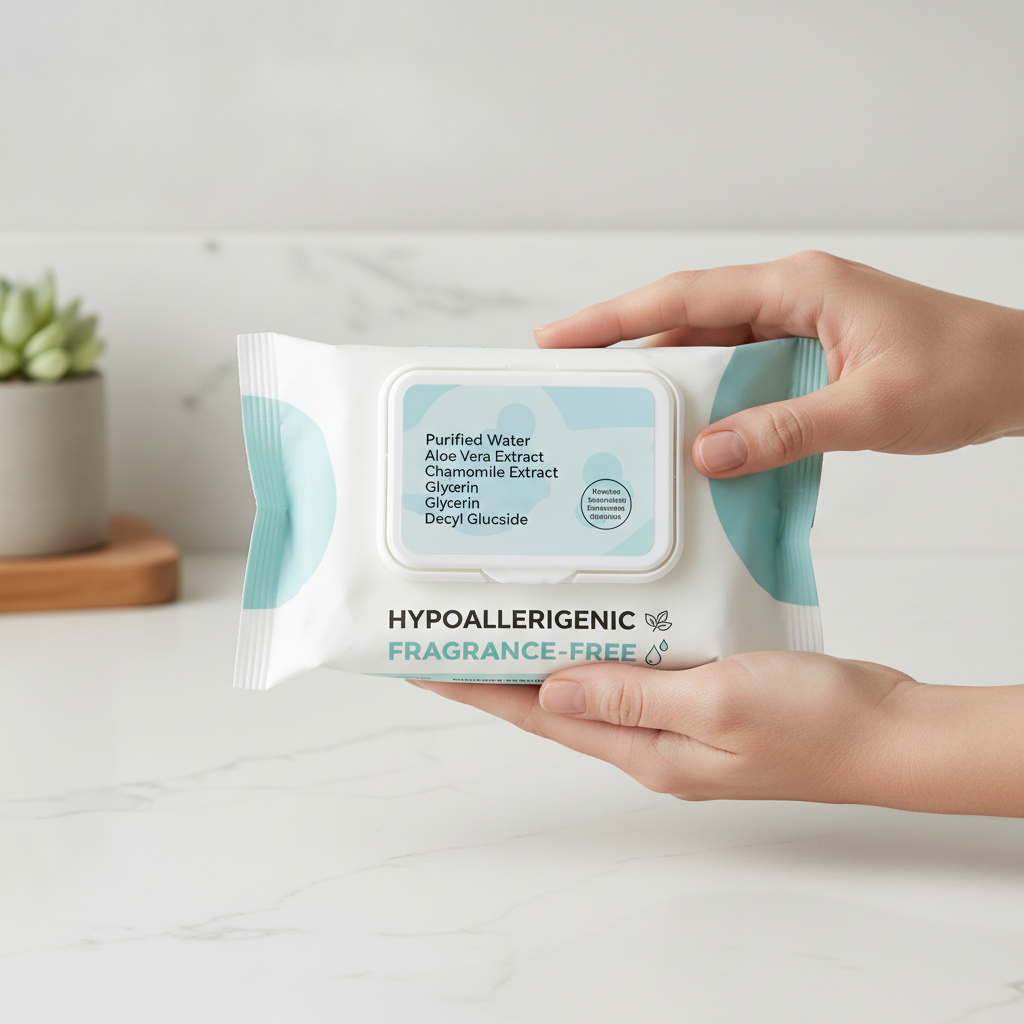
- Fragrance-free or clearly labeled unscented (not “lightly scented”).
- Simple humectants like glycerin to reduce dryness.
- Soothers such as aloe vera or oatmeal, as long as your pet hasn’t reacted to them before.
- Gentle surfactants (cleansers) designed for leave-on pet products.
- pH-considerate formulas marketed for dogs or cats, not human baby wipes.
Common triggers to be cautious about
- Added fragrance and strong masking scents.
- Essential oils (tea tree, citrus, peppermint) especially around cats and small dogs.
- Alcohol (can sting and dry skin), unless it’s clearly a very low, functional amount and your pet tolerates it.
- Harsh preservatives can bother some sensitive pets, even if safe for most. If your pet has a history of reactions, simpler formulas can be easier to troubleshoot.
According to the ASPCA Animal Poison Control Center, certain essential oils can pose risks to pets, particularly cats, depending on the oil, concentration, and exposure. If a wipe smells strongly botanical, treat it as a yellow flag.
Quick comparison table: how to judge wipes fast
Not every label gives you perfect clarity, but this table helps you decide quickly, especially when you’re scanning options online.
| What you see | What it often means | Better for | Watch-outs |
|---|---|---|---|
| Fragrance-free | No added perfume | Itchy skin, allergy-prone pets | May still include scented botanicals |
| Hypoallergenic | Formulated to reduce common irritants | Sensitive skin households | Not a guarantee, still patch-test |
| Deodorizing | Targets odor, sometimes stronger additives | Occasional “between bath” use | Often fragrance-heavy, can irritate |
| Antibacterial | May include antiseptics | Specific vet-guided needs | Can disrupt skin barrier with frequent use |
| For face/eye area | Typically gentler, fewer stingy ingredients | Tear stains, muzzle cleanup | Avoid direct eye contact anyway |
Self-check: are wipes the problem, or is it something else?
A lot of people blame wipes when the real issue is timing, frequency, or an underlying skin condition. Use this quick checklist before you toss every product in your cabinet.
- Reaction pattern: redness appears within minutes to a few hours after wiping, and improves when you stop.
- Location: irritation only where you wipe most often, paws, belly, chin, wrinkles.
- New variables: new wipe brand, new scent, new detergent on towels, new pollen season.
- Over-cleaning: multiple wipe-downs daily can dry skin even with gentle formulas.
- Other signs: recurring ear gunk, yeasty smell, hair loss, scabs often points beyond “just wipes.”
If your pet’s itching stays constant even when you stop wiping, it’s worth looking at food sensitivities, fleas, environmental triggers, or infection, ideally with veterinary input.
How to choose the best hypoallergenic grooming wipes (practical criteria)
Forget the longest ingredient list and the most promises. In many households, the best pet grooming wipes hypoallergenic pick is the one your pet tolerates, you’ll actually use consistently, and the formula stays stable in real life.
- Choose by body area: face wipes differ from paw/body wipes, and ear wipes are their own category.
- Pick unscented first: if odor control matters, consider bathing schedule changes rather than stronger wipes.
- Look for thicker, textured cloth: you use fewer wipes, rub less, and reduce friction irritation.
- Packaging matters: a good lid reduces dry-out, dried wipes lead to harder rubbing.
- Be realistic about “compostable”: eco materials can be great, but only if the wipe remains soft and doesn’t shed fibers.
Key takeaway: if your pet is reactive, prioritize “simple, fragrance-free, pet-specific,” then confirm with a patch test.
How to use grooming wipes without causing irritation (step-by-step)
Technique matters more than most people think. A gentle wipe used roughly can still create redness, especially on paws and skin folds.
Paws after walks (pollen, salt, city grime)
- Use one wipe per two paws if it stays wet and clean, swap sooner if dirty.
- Wipe between toes and around nails, but don’t scrub.
- Finish by patting dry with a soft towel if paws stay damp, moisture can feed yeast.
Face and wrinkles (tear stains, drool, food residue)
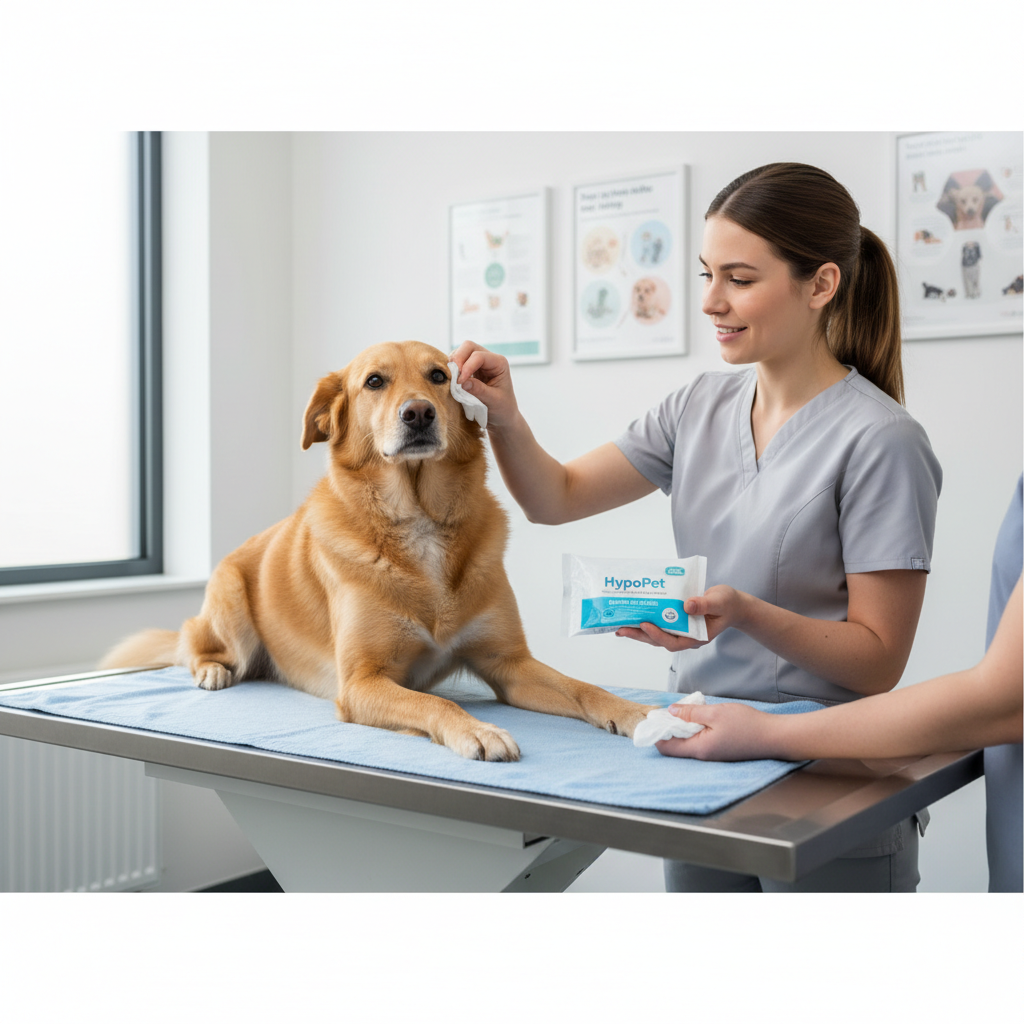
- Choose wipes labeled safe for face use, keep them away from the eye surface.
- For wrinkles, wipe once, then use a dry cloth to remove leftover moisture.
- If tear staining is persistent, ask your vet, chronic discharge can have a medical cause.
Butt area and quick freshening
- Use gentle, fragrance-free wipes only, this skin can react fast.
- If there’s repeated messiness, consider diet, anal gland issues, or stool quality with a professional.
Mini patch test (worth doing for sensitive pets)
- Wipe a small area on the inner thigh or shoulder.
- Wait 24 hours, watch for redness, bumps, licking, or increased scratching.
- If anything looks off, stop and switch to a simpler formula.
According to the American Veterinary Medical Association (AVMA), persistent skin problems warrant veterinary evaluation, since causes range from parasites to allergies to infections, and treatment depends on the underlying trigger.
Common mistakes that make “hypoallergenic” wipes backfire
- Using baby wipes on pets: they can be too acidic for some pets and may include ingredients not intended for animals.
- Scrubbing to “get it clean”: friction alone can cause redness, especially on short-coated dogs.
- Wiping too often: even gentle cleansers can strip oils with constant use.
- Ignoring wet skin folds: leaving moisture behind invites irritation and odor.
- Assuming “unscented” means no irritants: always scan the ingredient list if your pet has a history.
When to talk to a vet (or a groomer) instead of switching wipes again
Trial-and-error has limits. If you keep cycling products, you may miss the real issue.
- Immediate swelling, hives, or intense redness: stop use and contact a veterinarian promptly.
- Hot spots, oozing, scabs, or hair loss: often needs medical treatment, not just gentler wipes.
- Strong yeasty odor or greasy skin: can signal Malassezia overgrowth or infection.
- Chronic ear debris: use ear products only with guidance, the ear canal is sensitive.
- Cat exposure concerns: if a dog wipe contains essential oils and your cat cuddles/licks, ask your vet what’s safe.
A good groomer can also help you spot coat issues early, but medical symptoms should go through a veterinary clinic.
Conclusion: a simple way to pick your next wipes
The best pet grooming wipes hypoallergenic choice is usually boring in the best way: fragrance-free, pet-specific, and gentle enough that you don’t need to scrub. Start with a simple formula, patch-test when your pet is sensitive, and focus on drying paws and folds so you don’t trade “clean” for “itchy.”
If you want a quick next step, pick one unscented option for paws/body, one face-safe option for eyes and muzzle, then watch your pet’s skin for a week before changing anything else.