
Dog toothbrush and toothpaste set is one of the simplest at-home tools for cutting down dog breath, plaque buildup, and gum irritation, as long as you pick the right style and use it consistently.
If you’ve ever leaned in for a cuddle and gotten a whiff of “fishy” breath, or you’ve noticed yellow-brown tartar along the gumline, you’re not alone. Many dogs tolerate brushing better than owners expect, but the first setup matters: wrong toothpaste flavor, too-big brush head, or moving too fast can turn a small habit into a wrestling match.
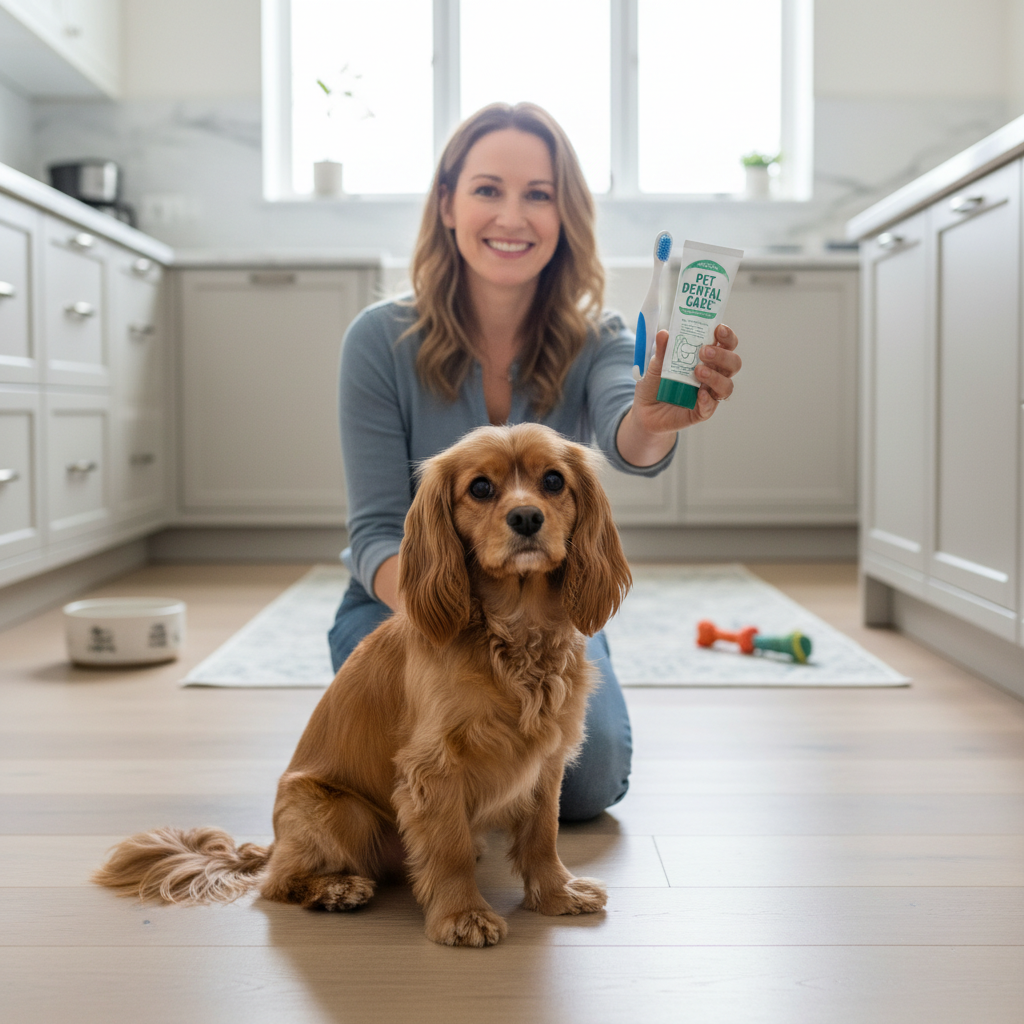
This guide breaks down what to look for in a set, how to tell whether your dog needs more than brushing, and a realistic routine you can keep up with. I’ll also flag common mistakes, because a lot of “brushing doesn’t work” stories trace back to small, fixable details.
Why a toothbrush + toothpaste set matters (and what it can’t do)
Brushing works for one basic reason: it disrupts plaque before it hardens into tartar. Once tartar is baked on, brushing helps slow new buildup, but it won’t reliably remove the hardened layer.
According to the American Veterinary Dental College (AVDC), regular toothbrushing is considered the “gold standard” for home dental care, because it directly targets plaque at the gumline where periodontal disease starts.
- What it helps with: plaque control, fresher breath, less gum inflammation, slowing tartar buildup.
- What it usually can’t do: remove heavy tartar, treat loose teeth, fix painful mouth issues, replace professional dental cleanings.
If your dog already has significant tartar, brushing is still worth doing, but it’s more of a “stop it from getting worse” move unless your vet also addresses the existing buildup.
What’s inside a good dog toothbrush and toothpaste set
Not every bundle is well-matched. A solid kit focuses on comfort, size options, and a toothpaste formula dogs can handle without irritation.
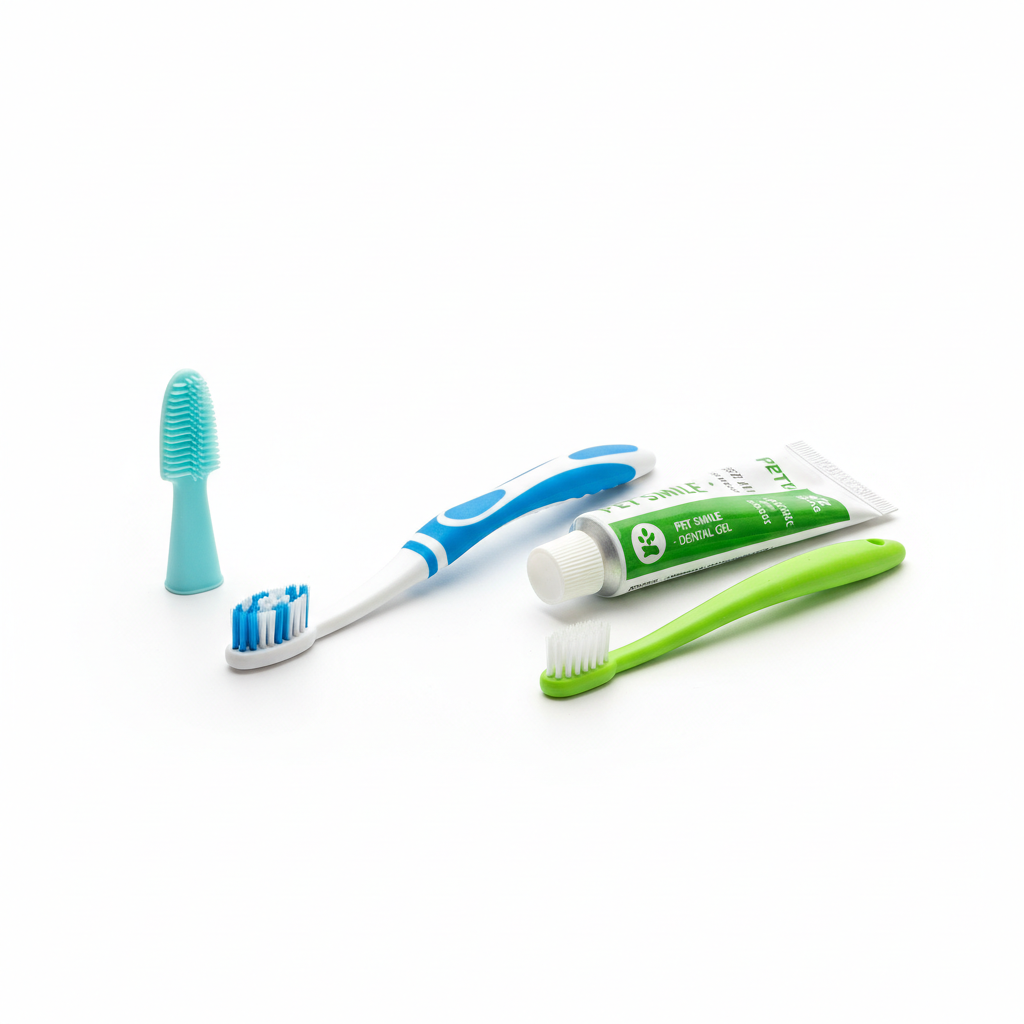
Toothbrush types you’ll see most often
- Standard small-head brush: best control, good for most dogs once they accept brushing.
- Double-headed brush: cleans both sides of a tooth at once, faster, but can feel bulky in small mouths.
- Finger brush (silicone/rubber): easier for beginners, but often less effective at the gumline than bristles.
Toothpaste: what to prioritize
- Pet-specific formula: dog toothpaste is made to be swallowed in small amounts; avoid human toothpaste.
- Flavor your dog won’t hate: poultry, beef, peanut butter, or vanilla-mint style flavors often work, but preference varies.
- Simple ingredient list: if your dog has a sensitive stomach, “less fancy” sometimes goes better.
Safety note: many vets advise avoiding products with xylitol, which is dangerous for dogs. If you’re unsure about an ingredient, ask your veterinary clinic before using it.
Quick self-check: does your dog need brushing, a vet visit, or both?
Owners often wait until breath gets bad, but gums can be inflamed earlier. This quick checklist helps you decide what “next step” makes sense.
- Likely okay to start home brushing now: mild dog breath, light plaque film, pink gums, normal eating, no visible pain.
- Home brushing + schedule a dental consult soon: noticeable yellow-brown tartar line, mild gum redness, occasional pawing at mouth.
- Skip DIY today and call your vet: bleeding gums, one-sided facial swelling, broken tooth, dropping food, crying when chewing, strong foul odor that appeared quickly.
According to the American Veterinary Medical Association (AVMA), dental disease is common in pets and can cause significant discomfort. If your dog shows pain signals, it’s usually better to rule out a medical issue before pushing brushing training.
How to choose the right set for your dog (size, temperament, and goals)
Buying the “best-rated” kit can still miss the mark if it doesn’t match your dog’s mouth size and tolerance level. Here’s a practical way to choose.
| Dog situation | Brush choice | Toothpaste choice | Small tweak that helps |
|---|---|---|---|
| Small breeds / tight mouths | Small-head standard brush | Mild flavor, smoother paste | Brush the outer surfaces first |
| Puppies / first-timers | Finger brush or extra-soft bristles | Very palatable flavor | Start with “lick toothpaste” sessions |
| Large breeds | Double-headed or long-handle brush | Any pet-safe formula they accept | Work in short sections, don’t chase every tooth |
| Skittish or mouth-sensitive dogs | Extra-soft bristles, smaller head | Low-foam, gentle formula | Pair with calm cue + same spot daily |
| Heavy tartar already present | Standard brush for control | Enzymatic dog toothpaste if tolerated | Plan for a vet dental exam too |
If you only remember one thing: a smaller brush head and softer bristles usually make brushing easier to start, even if you upgrade later.
Step-by-step: a brushing routine dogs actually accept
The biggest win is consistency, not perfection. You’re aiming for the outer tooth surfaces near the gumline, because that’s where plaque builds fastest.
1) Do a 3-day “no-brush” intro
- Day 1: let your dog lick a tiny amount of dog toothpaste from your finger.
- Day 2: rub the toothpaste on the outside of a few teeth with your finger.
- Day 3: introduce the brush for 5–10 seconds, then stop while it’s still going okay.
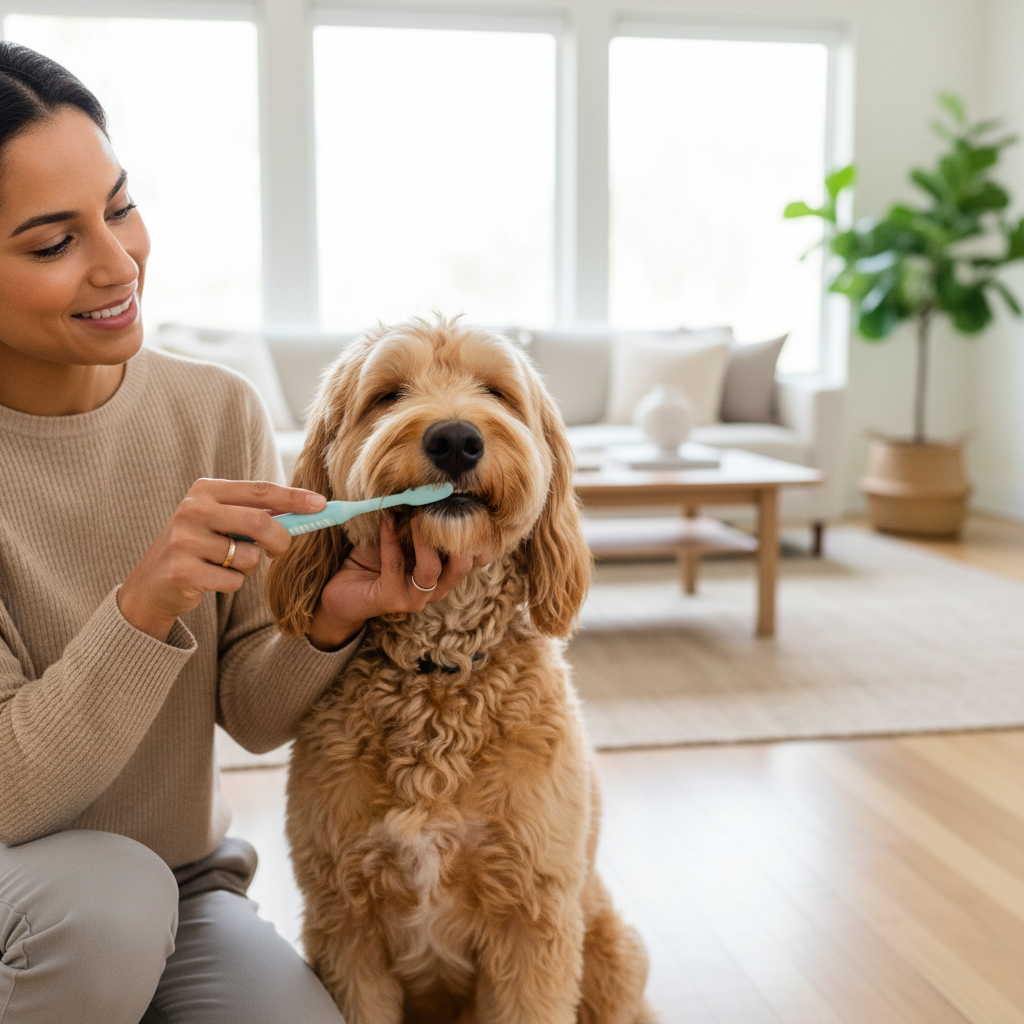
2) Brush technique that’s “good enough”
- Angle: tilt bristles about 45 degrees toward the gumline.
- Motion: small circles or gentle back-and-forth, no scrubbing like you’re cleaning grout.
- Target: outer surfaces of canines and premolars first, many dogs tolerate those best.
- Time: 30–60 seconds total is a realistic start; build up gradually.
3) Frequency: what most people can maintain
Daily brushing is ideal, but many households land on 3–5 times per week and still see benefits. If you’re using a dog toothbrush and toothpaste set only once every couple weeks, it tends to feel like a “big event” and dogs resist more.
Common mistakes that make brushing feel pointless
A few patterns show up again and again when people swear their kit “doesn’t work.” Usually it’s not the product, it’s the approach.
- Using human toothpaste: ingredients and foaming agents can upset stomachs, and some ingredients are unsafe.
- Chasing the inside surfaces: the tongue helps a bit inside; focus on the outside first.
- Starting too long: one stressful 5-minute session can ruin the next 10 attempts.
- Only brushing front teeth: back premolars and molars often hold the most plaque.
- Ignoring pain signals: if brushing suddenly causes yelps, head turning, or snapping, stop and ask your vet.
When to add other tools (and when to ask a professional)
A dog toothbrush and toothpaste set is the foundation, but it’s not the only piece. Some dogs do better with a “stack” of small supports, especially if brushing frequency isn’t perfect.
Add-ons that can help between brushing sessions
- Dental chews: look for products with clear guidance for size and chewing time, and monitor closely if your dog gulps.
- Dental diets: certain kibble designs may help scrape plaque; your vet can recommend options that fit your dog’s needs.
- Water additives or gels: can support breath and plaque control, but results vary by dog and product.
Signs it’s time for a veterinary dental exam
- Persistent bad breath even with routine brushing
- Visible tartar that forms a thick ridge at the gumline
- Red, swollen, or bleeding gums
- Drooling more than usual, especially if it smells foul
- Chewing on one side or avoiding hard food
Dental cleanings and X-rays are medical decisions, so it’s worth discussing benefits and risks with a licensed veterinarian, especially for older dogs or dogs with other health conditions.
Key takeaways (save this for later)
- Brushing targets plaque early; heavy tartar often needs professional help.
- Smaller, softer brushes usually get better acceptance than bulky heads.
- Go slow for 3 days before you expect “real brushing.” It pays off.
- Focus on the outer gumline; perfection is not the goal.
- Pain or bleeding is a stop sign, not a training challenge.
Conclusion: make it easy, then make it consistent
If dog breath or tartar has been creeping up, a dog toothbrush and toothpaste set is a practical place to start, because it gives you a repeatable routine, not a one-time fix. Keep sessions short, aim for the outer gumline, and track tolerance week by week rather than day by day.
If you want a simple action plan: pick a brush head that clearly fits your dog’s mouth, choose a pet-safe toothpaste flavor they’ll lick willingly, and commit to 30 seconds, three times a week for the first month, then adjust based on what you notice.
FAQ
- How often should I use a dog toothbrush and toothpaste set?
Daily is ideal, but many dogs benefit from 3–5 sessions per week. What matters most is a schedule you can maintain without turning it into a stressful event. - Can I use baking soda or human toothpaste on my dog?
It’s generally safer to avoid human toothpaste because it’s made to be spit out and may include ingredients that aren’t dog-friendly. If you’re unsure what’s safe for your dog, ask your veterinarian. - What if my dog won’t let me brush at all?
Back up to the “lick toothpaste” step for a few days, then reintroduce touch around the lips and gums. Some anxious dogs do better with a finger brush first, then a bristle brush later. - Do enzymatic dog toothpastes actually work?
They may help slow plaque growth as part of a routine, but they still work best when paired with brushing. If your dog has a sensitive stomach, introduce any new toothpaste gradually. - How do I know if bad breath is dental or something else?
Dental issues are common, but strong breath can also relate to diet, stomach upset, or other medical problems. If breath changes suddenly or comes with vomiting, appetite changes, or lethargy, call your vet. - My dog has tartar already—should I still brush?
Yes, brushing can help reduce new plaque and support gum health, but heavy tartar often won’t come off with brushing alone. A dental exam can clarify whether a professional cleaning is recommended. - Is a finger toothbrush better than a regular dog toothbrush?
Finger brushes can be easier for training and small mouths, but bristles on a small-headed brush often clean the gumline more effectively. Many owners use both depending on the day.
If you’re trying to make oral care feel less intimidating, start by choosing a set that matches your dog’s size and temperament, then keep the routine short and predictable. If you’d rather not guess, your veterinary clinic can often suggest brush types and toothpaste formulas that fit your dog’s specific dental history.