
cat collar breakaway safety design is meant to release under tension, so a collar can pop open if it gets snagged on a branch, fence, crate wire, or furniture edge.
If you have an indoor-outdoor cat, or even a curious indoor climber, this topic matters more than most people expect, because the “rare” scenario is exactly what breakaway hardware is built for: a sudden pull when no one is watching.
People also mix up “breakaway” with “stretchy” or “quick release,” and that confusion leads to bad purchases. In this guide, I’ll break down how the safety release works, how to tell if a collar fits and functions correctly, and what trade-offs you’re really making when you add tags, bells, or GPS units.
What “breakaway” really means (and what it doesn’t)
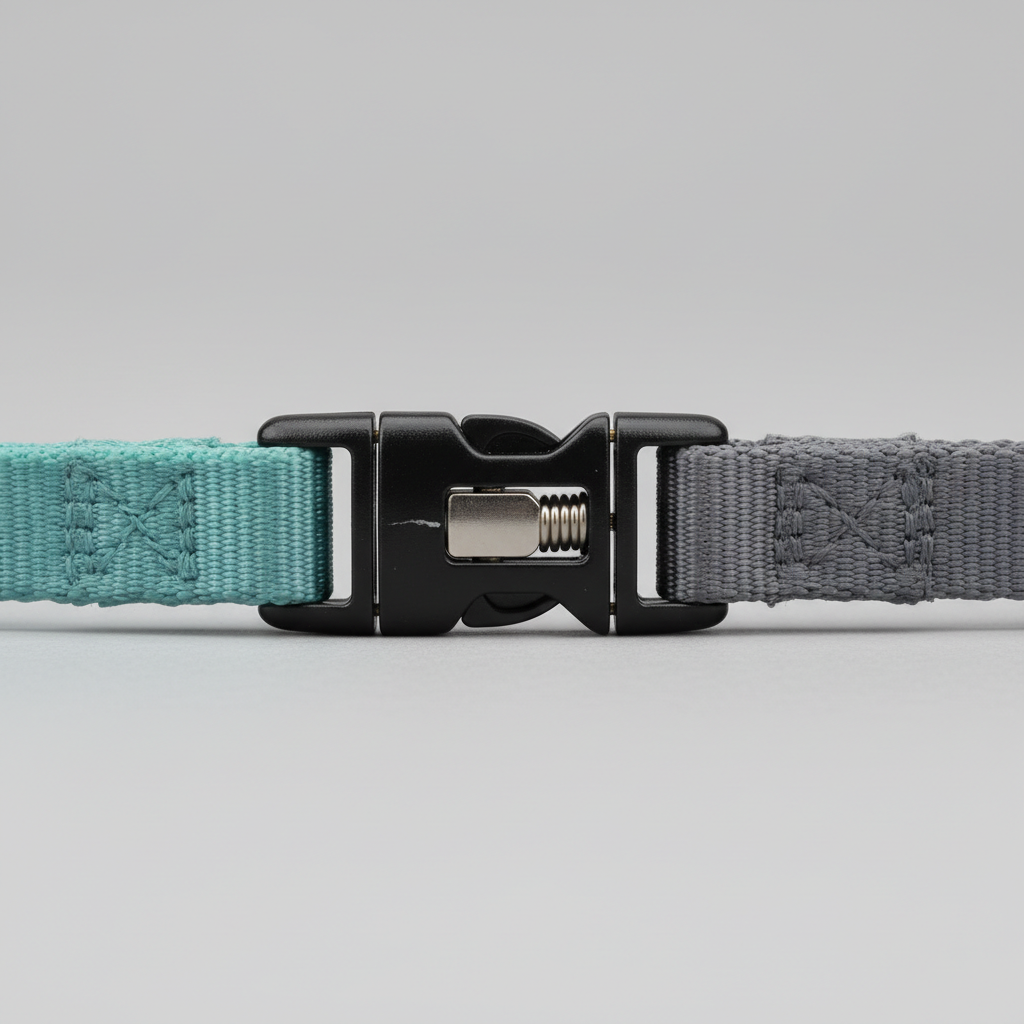
A breakaway collar uses a release buckle designed to open when enough force is applied. The idea is simple: if the collar catches, the buckle opens before the cat can be trapped.
- Breakaway: buckle pops open under a certain pull force.
- Quick-release: easier for humans to unclip, not necessarily safer for snagging.
- Elastic/expandable: stretches to widen the loop, which may help in some snags but can also stay caught depending on the situation.
According to the ASPCA and many veterinary safety guides, collars should be used thoughtfully, and cats can get into trouble if a collar becomes caught. A breakaway mechanism is one common way owners try to reduce that risk, especially for cats that roam or climb.
Why cats get caught: real-life snag points that drive the design
Most “caught collar” scenarios are not dramatic, they’re ordinary household and yard hazards that create a tight angle and a sudden pull.
- Crate and radiator gaps, where a collar can hook and resist sliding back out
- Tree branches and fence edges, especially for agile outdoor cats
- Drawer pulls, chair rungs, bed frames, when cats jump down and the collar catches
- Play interactions with another pet grabbing the collar or tag ring
Many owners only think about “getting stuck,” but there’s also the problem of panic pulling. A cat that feels trapped often thrashes, which increases tension quickly. That’s the moment the cat collar breakaway safety design is supposed to do its job.
Self-check: is your current collar actually safe and functional?
This is the quick audit I wish more people did before buying a new collar. A breakaway buckle that never releases, or releases too easily, can both cause issues.
Fit and comfort checklist
- Two-finger rule: you can slide two fingers between collar and neck, without forcing it.
- Position: sits mid-neck, not sliding down toward shoulders.
- No chafing zones: check under the collar weekly, especially for short-haired cats.
- Weight: collar + tags should feel light; heavy hardware tends to rotate and annoy.
Function checklist (breakaway behavior)
- With your hands, apply a steady pull on the buckle, it should release with firm tension, not with a tiny tug.
- After re-clipping, it should feel secure and not “half latched.”
- If you add a tag, make sure the tag ring doesn’t interfere with the buckle or press into the throat area.
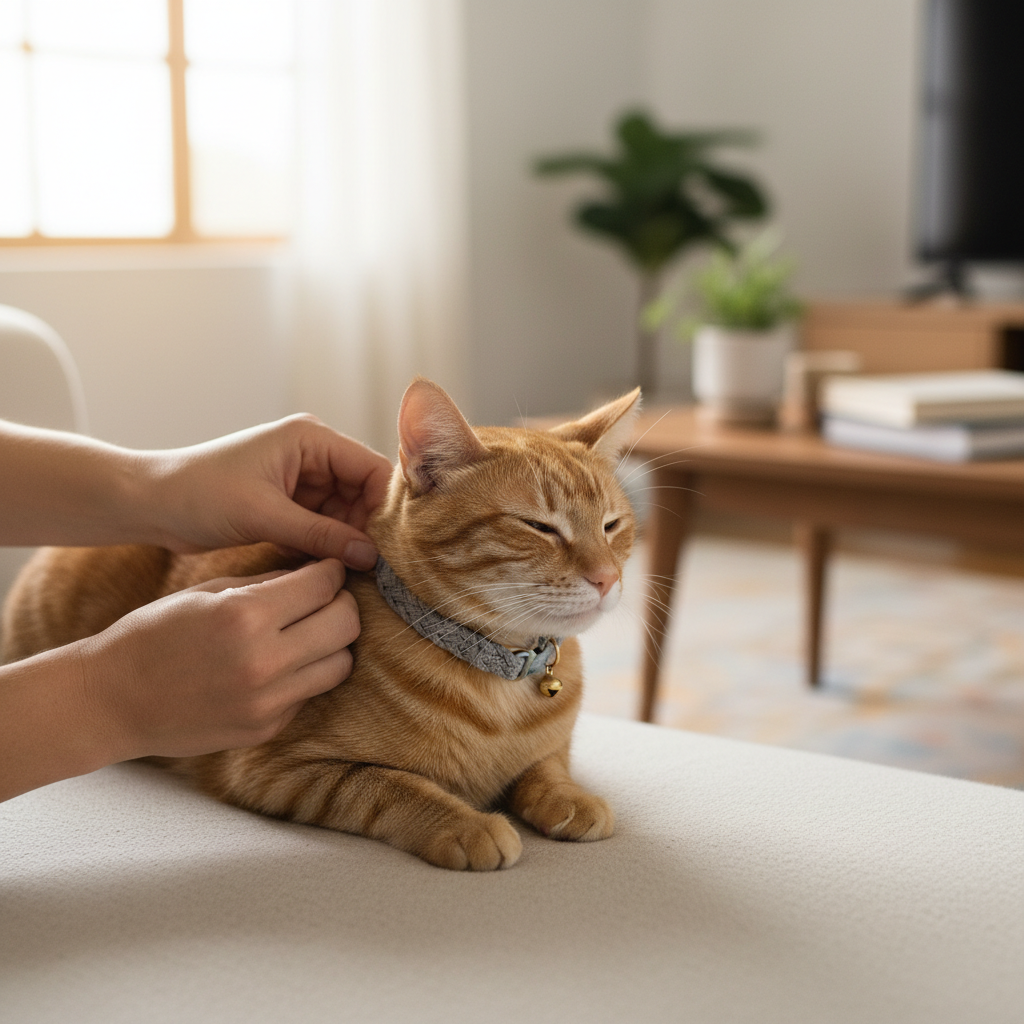
If your cat routinely loses collars, that can mean the release threshold is too low for your cat’s activity level, or the collar is too loose and catches on things more often. Either way, it’s a signal to adjust, not just “buy the same one again.”
Choosing a breakaway collar: materials, buckle types, and add-ons
Shopping gets confusing because product pages often lump safety features together. I’d focus on three decisions: material, buckle style, and what you plan to attach.
Common material options
- Nylon: common, durable, easy to clean, but can fray over time.
- Leather: can soften and stretch, sometimes more comfortable, but varies widely by quality.
- Reflective: helpful for visibility at dusk, especially for outdoor cats.
Buckle and attachment considerations
- Side-release breakaway buckles: the classic “snap” buckle designed to pop open under force.
- Magnetic-style closures: can be convenient, but you still want a clear safety-release intent and reliable re-latching.
- Tag ring placement: ideally away from the buckle so the release isn’t obstructed.
One practical note: if you plan to use a GPS tracker or AirTag-style holder, you’re adding weight and bulk. In many cases, owners switch to a harness for trackers, or they choose a collar engineered for that load. A lightweight ID tag usually plays nicer with a cat collar breakaway safety design than a chunky accessory.
Quick comparison table: which option fits which cat?
This table isn’t a “one-size” answer, it’s a way to match typical cat behavior to collar choices.
| Cat lifestyle | What to prioritize | Common trade-off |
|---|---|---|
| Indoor climber (cat trees, shelves) | Reliable breakaway buckle, light ID | May pop off during rough play |
| Indoor-outdoor explorer | Breakaway + reflective strip, durable material | Collar loss is more likely outdoors |
| Microchip-only household | Comfort, minimal weight | No visible ID if cat slips out |
| Needs tracker for roaming | Collar rated for device weight, or harness setup | More bulk, more fit checks needed |
Practical setup steps: make the safety design work for you
Getting the right product is only half the job. The rest is setup, because fit and hardware choices decide whether the collar behaves as intended.
- Start inside: let your cat wear the collar for short sessions, then build up time.
- Set the fit once, then re-check: collars loosen, and cats gain or lose weight over seasons.
- Use a flat ID tag: smaller tags tend to snag less and flip around less.
- Keep the D-ring tidy: too many rings and charms become snag points.
- Trim frays early: if nylon edges roughen, irritation becomes more likely.
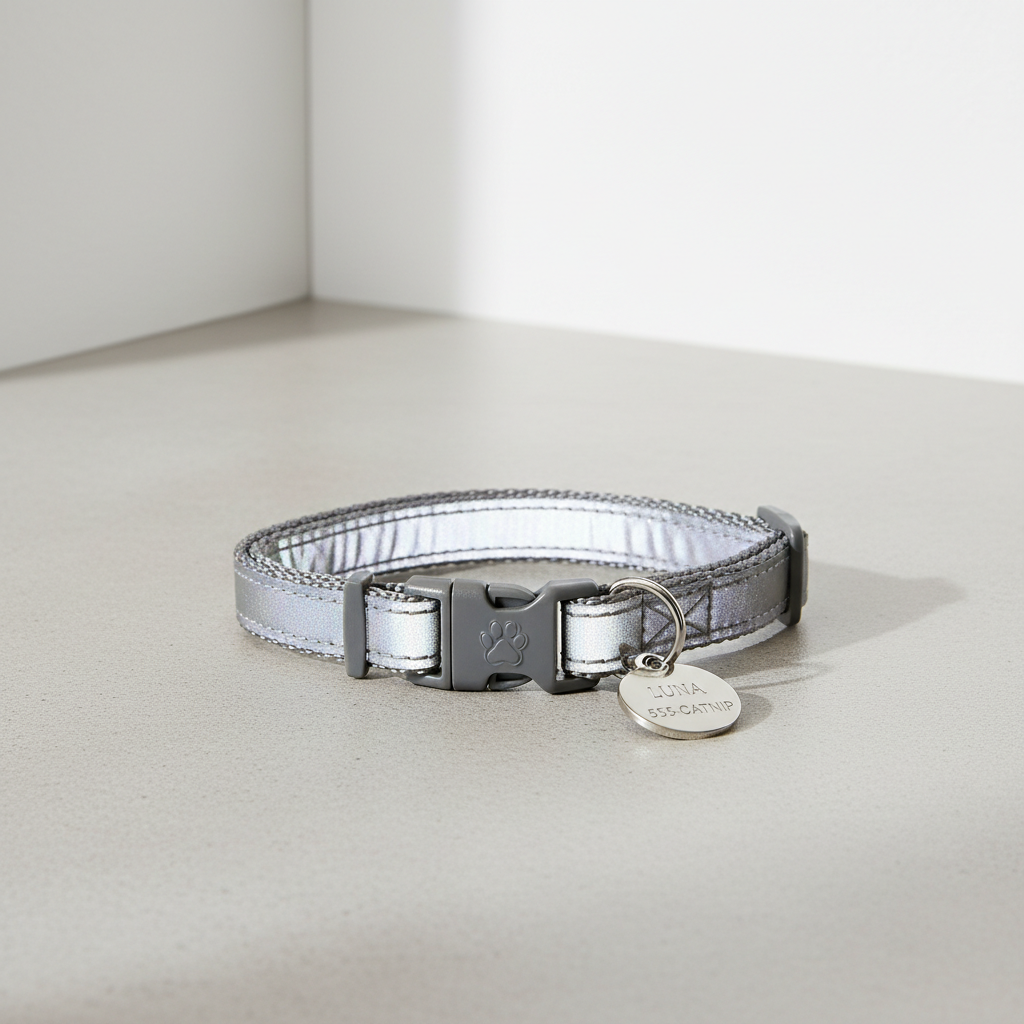
Key takeaway: If you’re relying on the cat collar breakaway safety design for risk reduction, don’t defeat it with heavy add-ons or a too-tight fit. The collar should be comfortable on normal days, and “fail open” during abnormal tension.
Common mistakes that cancel out the safety benefit
These are the patterns that show up again and again, usually with good intentions.
- Overtightening: owners worry about collar loss, tighten it, and increase snag risk.
- Too many accessories: bells, charms, big tag stacks create extra hook points.
- Assuming all breakaways behave the same: release force varies by brand and model.
- Skipping weekly checks: dirt, hair, and wear can affect buckle action.
- Using a non-breakaway collar outdoors: this is where snag hazards multiply.
Also, if your cat shows persistent stress with collars, constant scratching at the neck, hiding, or reduced appetite, it’s worth pausing and reassessing. Some cats just don’t tolerate collars well, and that’s not a training failure.
When to ask a professional (and what to watch for)
Collar safety crosses into health when there’s skin damage, breathing concern, or repeated incidents. In these cases, it’s smart to get help instead of guessing.
- Skin irritation, hair loss, or sores: a veterinarian can rule out allergy, infection, or poor fit.
- Coughing, gagging, or noisy breathing after collar use: stop using the collar and consult a vet promptly.
- Frequent snag events: ask your vet or a qualified cat behavior professional about environmental changes, harness options, and safer ID strategies.
According to the American Veterinary Medical Association (AVMA), pet identification (like microchips and ID tags) plays a major role in reunification. Many households combine microchipping with a lightweight collar ID, while still trying to reduce snag risk through breakaway hardware.
Conclusion: the safest collar is the one you keep checking
The point of a cat collar breakaway safety design is not perfection, it’s risk management in the real world: it should stay on during normal activity and release when something goes wrong. Pick a collar that matches your cat’s lifestyle, keep the setup minimal, and treat fit checks like a small routine, not a one-time task.
If you want one action today, do this: test the buckle release with controlled tension and re-fit the collar using the two-finger rule, then decide whether your tags and accessories still make sense.
FAQ
- How does a breakaway cat collar work?
It uses a buckle designed to open when a certain pull force is applied, so the collar can release if it snags. The exact release threshold varies by model. - Are breakaway collars safe for indoor cats?
Often, yes, because indoor homes still have snag points like furniture and crate wires. If your cat never tolerates collars, consider microchip-only plus strict door control, and ask your vet for guidance. - Why does my cat keep losing a breakaway collar?
In many cases the fit is too loose, or the release force is too low for your cat’s activity level. Adjust fit first, then consider a different buckle design meant for more active cats. - Can I attach a bell to a breakaway collar?
You can, but keep it light and watch for irritation or snagging. Some cats find bells stressful, and extra hardware can reduce the practical benefit of the safety release. - Should outdoor cats wear a non-breakaway collar?
Generally, owners choose breakaway designs outdoors due to snag risk, but every cat and environment differs. If you’re unsure, talk with a veterinarian about identification options and safety. - Is a harness safer than a breakaway collar?
For walking on a leash, a properly fitted harness is usually preferred. For everyday ID, a collar is simpler, but you still need the right fit and regular checks. - Do I still need a microchip if my cat has an ID collar?
Many people use both: a collar ID for quick contact and a microchip as backup if the collar comes off. Your vet can advise what makes sense for your cat and local risks.
If you’re trying to balance everyday ID with fewer “what if” moments, it may help to pick a collar built around a reliable breakaway buckle, then keep the setup simple and lightweight. If you want a more hands-off approach, ask your vet about combining microchipping, a minimal ID tag, and a collar style that fits your cat’s habits.