
Best dog beds for large dogs come down to three things: real support (not just fluff), the right size for how your dog sleeps, and materials that survive weight, nails, and washing. If you’ve bought a “large” bed that pancaked in a month, you already know why this matters.
Big dogs put different demands on bedding than small dogs, their joints carry more load, their body heat builds up faster, and cheap foam compresses quickly. The good news, you don’t need the most expensive bed on the shelf, you need the right construction for your dog’s age, habits, and your cleaning reality.
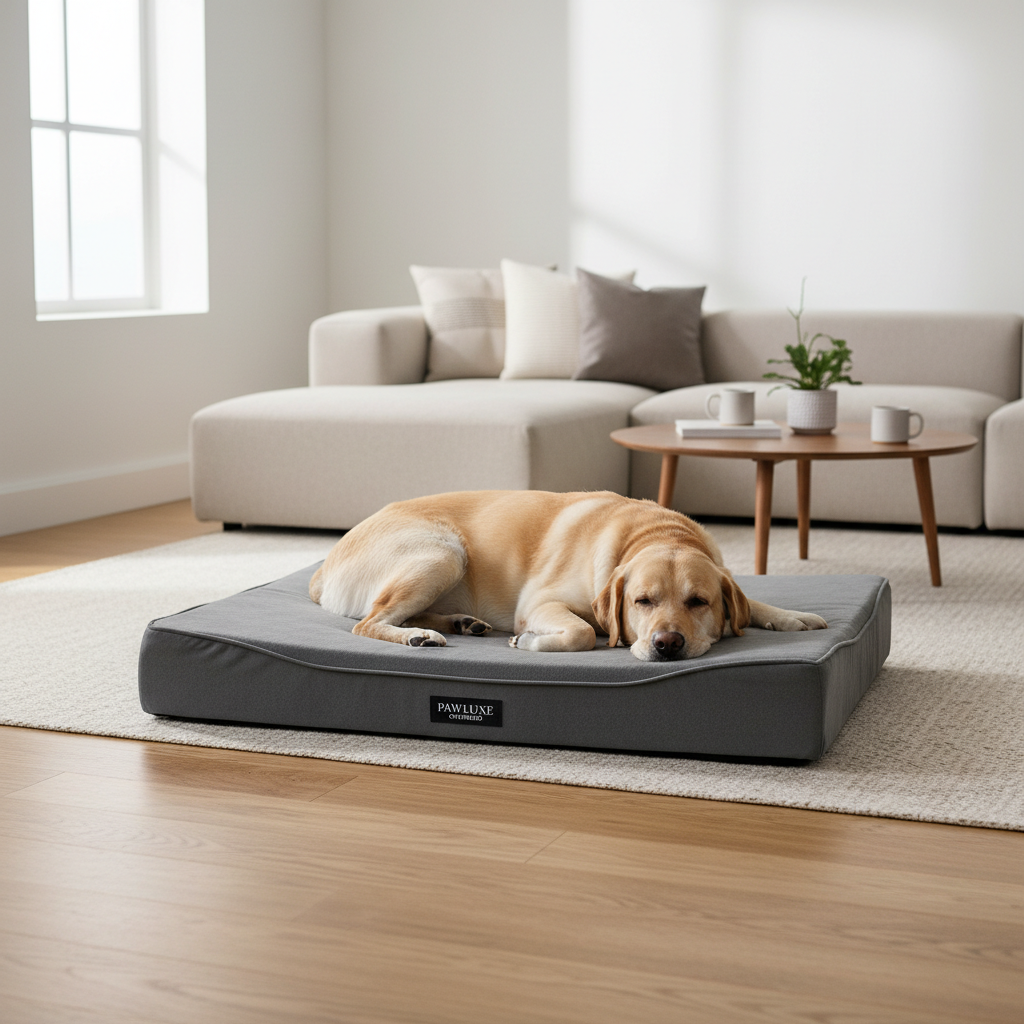
Below is a practical 2026-style buying guide: which bed types fit which large dogs, what specs matter, what to ignore, and how to measure so you don’t end up sizing up twice. I’ll also flag common “nice-sounding” features that often disappoint in real homes.
What usually makes large-dog beds fail
Most “big dog bed” complaints aren’t mysterious, they’re predictable. Here’s what typically goes wrong.
- Foam that’s too thin or too soft, it feels plush in-store, then compresses and your dog ends up on the floor.
- Wrong foam type, low-density polyurethane breaks down faster under heavy, pointy pressure (hips, shoulders, elbows).
- Covers that can’t handle real life, zippers pop, seams split, or the fabric pills after a few washes.
- “Large” sizing that’s not actually large, many beds label size by outer dimension, but usable sleeping surface is smaller due to bolsters.
- Heat and moisture build-up, thick padding plus non-breathable covers can trap warmth, some dogs then avoid the bed.
According to American Kennel Club (AKC), larger breeds are commonly predisposed to joint issues like hip and elbow dysplasia, which is one reason supportive rest surfaces get more important as dogs age. A bed won’t “treat” anything, but it can reduce pressure points and improve comfort in many cases.
Quick comparison table: best bed types for big dogs
If you want a fast shortlist, match your dog to a bed style first, then worry about brand names and aesthetics.
| Bed type | Best for | What to look for | Typical trade-offs |
|---|---|---|---|
| Orthopedic foam mattress | Senior dogs, heavy breeds, joint sensitivity | Thick, high-density base foam; washable cover; non-slip bottom | Heavier to move; pricier |
| Bolster/sofa bed | Leaning, curling, dogs that like a “pillow edge” | Supportive center + firmer bolsters; roomy sleep area | Bolsters shrink sleep surface |
| Elevated cot | Hot climates, droolers, dogs with allergies | Tight, replaceable fabric; sturdy frame; grippy feet | Not ideal for very stiff seniors; can be noisy |
| Crate pad | Crate training, travel, tidy setups | Dense foam, secure fit, durable cover | Less “nesting” comfort |
| Cooling / gel-infused foam | Dogs that overheat easily | Breathable cover; not-too-soft foam base | Cooling effect varies by home temp |
How to choose the right bed (the specs that matter in 2026)
Marketing terms are everywhere. Focus on a few specs that actually correlate with how a bed performs for large dogs.
1) Size based on sleeping style, not breed label
“XL” means different things across brands. Measure your dog while sleeping, then add space.
- Side sleeper: nose-to-rump length + 6–10 inches.
- Sprawled out: full stretched length + 10–14 inches.
- Curler: less length needed, but consider bolsters if they like head support.
If your dog is between sizes, many households regret going smaller more than they regret going bigger.
2) Thickness and support, especially for 70+ lb dogs
For truly large dogs, thin beds tend to bottom out. As a rough shopping heuristic, thicker beds often hold up better, but density matters more than just height.
- Look for a firm base layer under any memory foam comfort layer, this helps prevent “hammocking.”
- Edge support matters if your dog flops against the side, weak edges collapse early.
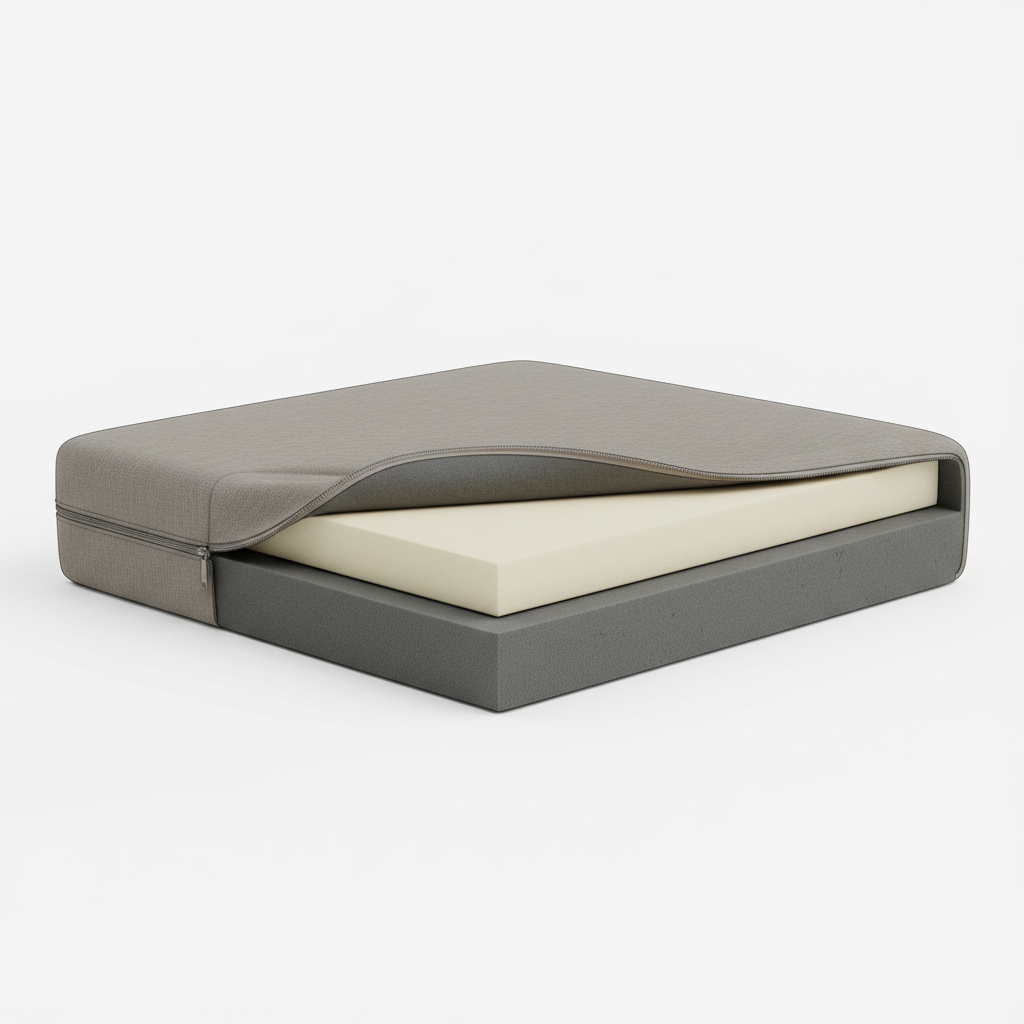
According to U.S. Food & Drug Administration (FDA), memory foam was originally developed to improve cushioning and pressure distribution in seating; in pet beds it can help comfort, but it still needs a supportive core for big bodies.
3) Cover fabric and construction (this is where a lot of value hides)
The cover decides whether you enjoy owning the bed.
- Machine-washable cover with a zipper that feels substantial, ideally with a flap that reduces chewing access.
- Water-resistant inner liner if you have drool, accidents, or muddy dogs.
- Tight weave fabrics (canvas-style, ballistic-style) often resist snags better than fuzzy plush in multi-dog homes.
If your dog loves to dig before laying down, no fabric is “indestructible,” but thicker materials and better stitching usually buy you time.
4) Temperature and airflow
Some large dogs run hot, especially double-coated breeds or homes that stay warm. Breathable covers, elevated cots, or less insulating top fabrics can help. “Cooling gel” can feel cooler at first touch, but the effect often depends on room temperature and how much your dog sinks into the foam.
Self-check: which bed category fits your dog?
If you’re not sure where to start, this quick checklist narrows it down.
- Your dog is older, stiff in the morning, or slow to stand: start with an orthopedic mattress or supportive bolster bed, consider a lower entry height.
- Your dog destroys plush toys and digs at bedding: prioritize durable covers, simpler shapes, fewer exposed seams, and consider a cot for airflow and chew resistance.
- Your dog overheats: consider an elevated cot or a breathable cover over supportive foam.
- Your dog always rests their head on the couch edge: a bolster bed often gets used more than a flat mat.
- Your dog has occasional accidents: water-resistant liner and easy-off cover matter more than fancy foam labels.
If you’re dealing with persistent limping or obvious pain, a bed choice may help comfort but it’s not a substitute for veterinary advice, it’s worth checking in with a professional.
Real-world picks: what “best” often means for large dogs
Rather than naming a single “winner,” it’s more honest to define the best dog beds for large dogs by use case. These are the common “best for” buckets shoppers actually need.
Best for joint support (orthopedic mattress)
- Thick, supportive foam with a firm base
- Low entry profile if your dog struggles stepping up
- Non-slip bottom so the bed doesn’t slide on hardwood
This is the category where spending a bit more often pays off, cheap foam collapse is the usual failure mode.
Best for cuddlers and leaners (bolster bed)
- Roomy interior sleep surface, check dimensions carefully
- Bolsters that feel firm, not empty
- Removable cover, bolsters are drool magnets
Some bolster designs look huge but sleep small, especially for dogs that sprawl.
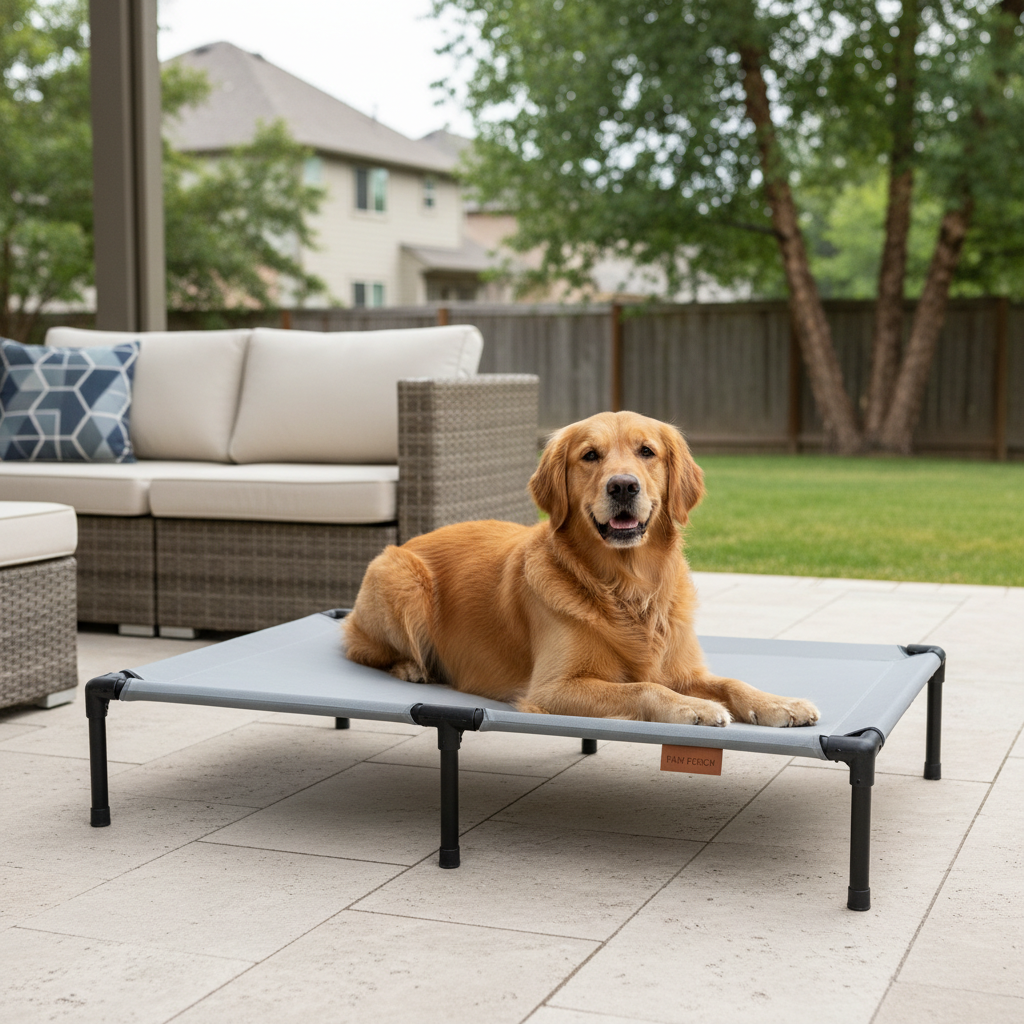
Best for hot sleepers and outdoor-adjacent life (elevated cot)
- Taut fabric that doesn’t sag after a week
- Replaceable fabric panel is a bonus
- Stable legs with grip, large dogs can shift weight suddenly
If your dog has mobility limits, cots can be less comfortable than foam, so use judgment.
Best for crates and travel (supportive crate pad)
- Dense foam that keeps shape
- Snug fit for your crate size
- Easy-clean materials, travel gets messy fast
Crate pads are underrated, especially if your dog spends consistent time in a crate or you travel frequently.
Practical setup tips that make any bed work better
Even a great bed can flop if the setup is off. These are small changes that often improve use and durability.
- Place the bed where your dog already chooses to rest, many dogs ignore a “nice” bed stuck in a back corner.
- Add a washable throw on top for drool and hair, it protects the cover and simplifies cleaning.
- Rotate the bed every week or two, large dogs tend to favor one side and compress it faster.
- Use a grippy mat under the bed on slick floors, sliding can make dogs avoid it.
- Introduce it like a “spot,” not a toy, reward calm settling, remove it briefly if chewing starts.
If your dog keeps choosing the couch, the bed may be too warm, too small, or too unstable under their weight. Fix the comfort issue instead of trying to “train through” it.
Mistakes shoppers make (and what to do instead)
- Buying by breed list: use measurements and sleeping style, not “fits Great Danes” claims.
- Over-prioritizing fluff: plush tops feel cozy to humans, but support comes from the core.
- Ignoring wash reality: if the cover is annoying to remove, it won’t get washed often, and the bed becomes a smell trap.
- Assuming “chew-proof” exists: if you have a heavy chewer, manage access, use tougher fabrics, and consider a cot or supervised use.
- Skipping the liner: for droolers and seniors, a water-resistant liner is often the difference between “fine” and “replace the foam.”
According to American Veterinary Medical Association (AVMA), pet health needs vary by age, breed, and condition; if you suspect arthritis or mobility decline, a veterinarian can help you decide what supports comfort beyond bedding choices.
Conclusion: how to pick confidently in 10 minutes
The best dog beds for large dogs in 2026 aren’t about one magic model, they’re the beds that match your dog’s body, habits, and your cleaning routine. Start by measuring your dog while sleeping, choose a bed type that fits their behavior, then prioritize supportive foam and a cover you’ll actually wash.
If you want one simple move today, measure your dog’s sleeping length and compare it to the bed’s usable inner surface, not the outer dimensions. That single check prevents a lot of returns and a lot of “why won’t they use it?” frustration.
If you’re upgrading for a senior dog or ongoing discomfort, it’s reasonable to ask a vet for guidance, especially when pain, limping, or sudden behavior changes show up.