
Best kitten beds soft usually come down to one thing: a surface your kitten will actually choose, without turning into a linty, flattened mess after two washes.
If you’ve ever bought a “cute” bed and watched your kitten nap in the cardboard box instead, you already know the pain point, softness alone isn’t the full story. Kittens care about warmth, scent, and a tucked-in feeling, while you care about washability, durability, and keeping accidents from becoming a permanent smell.
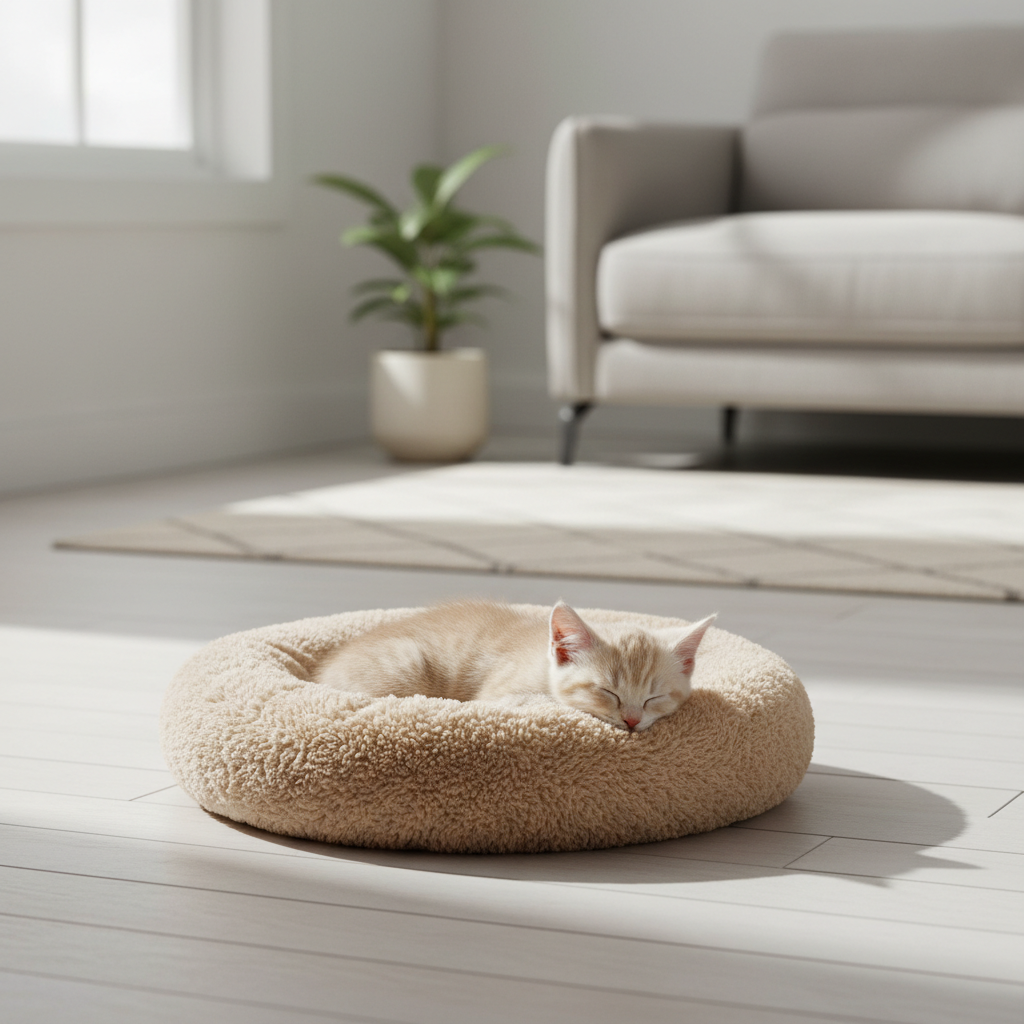
This guide breaks down what “soft” should mean in real life, how to pick the right shape and fill, and how to avoid common traps like beds that overheat, shed, or collapse. I’ll also share a quick comparison table and a simple checklist, so you can decide in a few minutes.
What “soft” really means for a kitten bed
Softness is a mix of texture, cushioning, and how the bed holds its shape after repeated use. A bed can feel cloud-like in the store, then compress into a pancake at home, kittens notice.
Here’s what typically matters most:
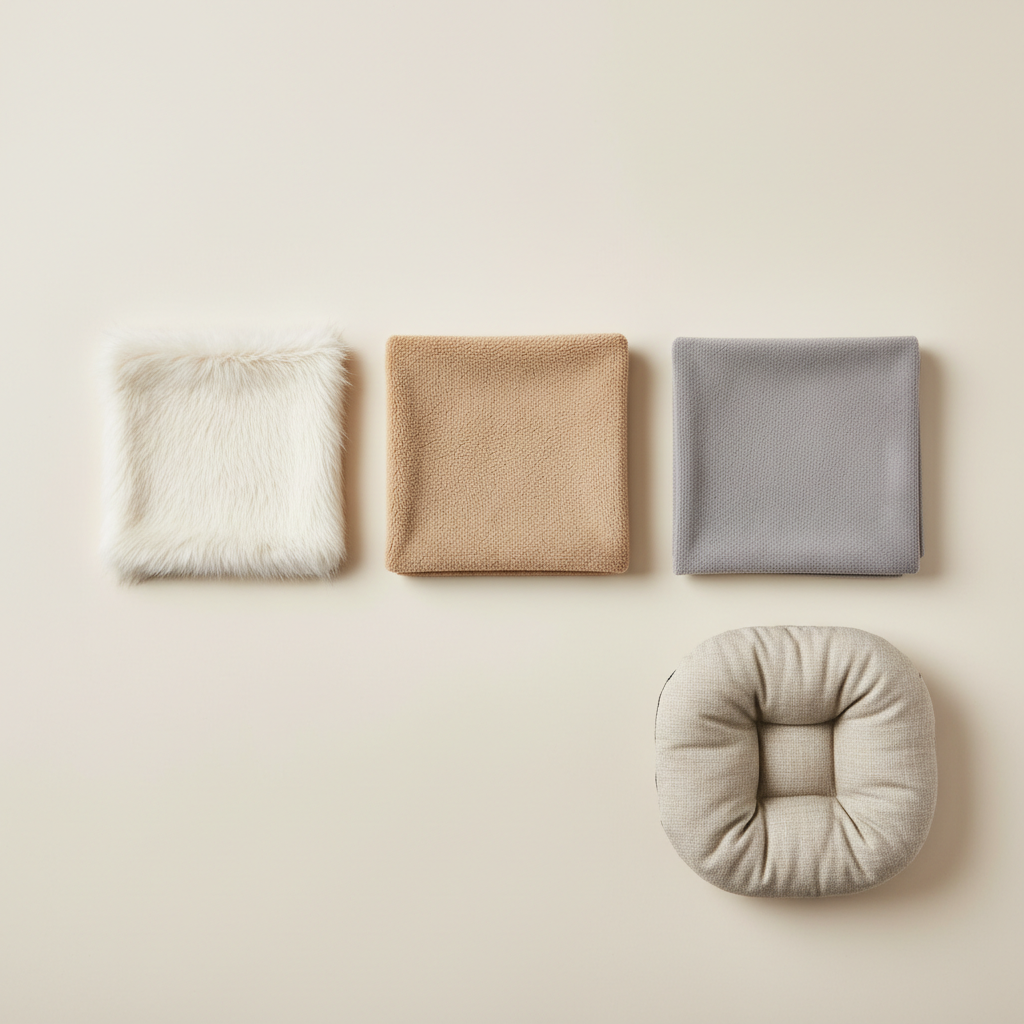
- Surface feel: Plush, fleece, and faux fur feel warm and “nestable,” but some kittens prefer smoother microfiber that doesn’t cling to claws.
- Support under the plush: A thin layer of fluff on a hard base reads as “cheap” to your kitten, they may avoid it or only use the rim.
- Heat management: Very dense faux fur can run hot. If your home stays warm, a softer bed that breathes often works better.
- Low-stress edges: Raised bolsters help many kittens settle, but ultra-stiff bolsters can feel restrictive.
According to American Veterinary Medical Association (AVMA), creating a safe, comfortable environment is part of basic cat care, so it’s worth choosing a bed that supports rest without adding hazards.
Common reasons kittens avoid soft beds (even expensive ones)
If your kitten ignores a new bed, it’s rarely “they don’t like beds.” It’s usually the wrong cue for their instincts, or the bed is in the wrong place.
- It smells like a warehouse: New foam and synthetic fabrics can have a strong odor. Airing out and washing often helps.
- Too exposed: Many kittens relax faster when they can tuck into a corner or near furniture, not the middle of a room.
- Texture mismatch: Long faux fur can snag tiny claws, while slick fabric can feel unstable when they knead.
- Bed runs hot: If they keep moving off the bed after a few minutes, overheating is a real possibility.
- Unstable base: A bed that slides on hardwood or crinkles loudly can spook a cautious kitten.
One more thing people miss: kittens often split sleeping spots by mood. They may use the soft bed at night, and choose a cool floor nap during the day. That can be normal.
Quick comparison: soft kitten bed types (and who they fit best)
Different bed shapes “solve” different comfort problems. This table helps you match a bed style to your kitten’s behavior.
| Bed type | Why it feels soft | Best for | Watch-outs |
|---|---|---|---|
| Bolster bed | Raised rim supports head/neck, cozy boundary | Kittens that curl up or like “pillows” | Rim can collapse if fill is low quality |
| Donut / shag bed | Deep pile fabric, nest-like sink-in feel | Shy kittens, kneaders, cold rooms | Can run hot, can shed if poorly made |
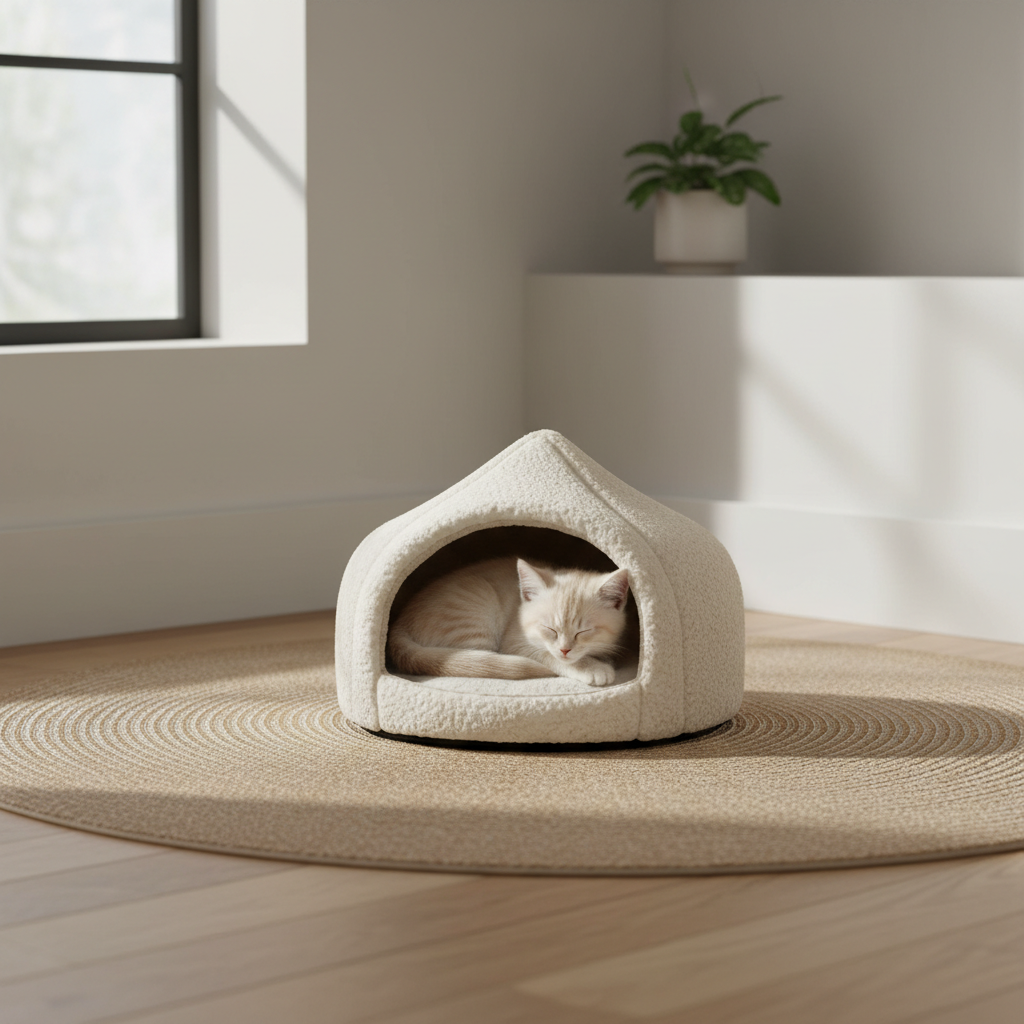
| Cave / hooded bed | Enclosed warmth, reduced light, den vibe | Hide-and-sleep kittens, multi-pet homes | Some kittens dislike entry flaps, needs ventilation |
| Mat-style plush pad | Soft top with flatter support layer | Crate use, travel, cats who sprawl | Less “hug,” slides unless it has grip |
| Heated pad (pet-safe) | Gentle warmth encourages longer rest | Very young kittens, drafty areas | Use pet-rated products only, monitor temperature |
How to choose the best soft kitten bed (a fast checklist)
If you want a practical way to pick best kitten beds soft enough for daily use, run through this list before you buy.
Size and shape
- Measure your kitten while they sleep, nose to tail base, then add a little room for stretching.
- If they curl tightly, a smaller donut or bolster often feels safer than an oversized bed.
- If they sprawl with legs out, look for a wider sleeping surface and lower sides.
Fill and support
- Look for resilient fill that bounces back, not loose fluff that migrates to corners.
- A removable inner cushion is useful, you can replace it without tossing the whole bed.
- For kittens with a lot of “zoomies,” a slightly denser base helps the bed stay put.
Cover and cleaning
- Machine-washable covers save you later, especially during litter training or hairball phases.
- Dark colors hide stains, but light colors make flea dirt easier to spot, pick based on your reality.
- Check seams and zippers, scratchy stitching can irritate sensitive skin.
Safety details (worth slowing down for)
- Avoid loose strings, oversized pom-poms, and easily detached buttons that could be chewed.
- If you choose a cave bed, make sure airflow feels adequate and the structure does not collapse easily.
- Rubberized or grippy bottoms reduce sliding, which can reduce stress for timid kittens.
According to ASPCA, providing a comfortable resting area is part of creating a healthy home setup for cats, and safety details matter most when you have a curious kitten that mouths everything.
Best picks by scenario (so you don’t overthink it)
Instead of naming specific models that may change quickly, here are “buying targets” that usually lead to a good soft bed in 2026, regardless of brand.
If your kitten kneads and burrows
- Donut-style shag bed with medium pile (not overly long)
- Thick inner cushion that’s stitched or baffled to prevent clumping
- Wash instructions that allow low-heat drying or air-drying without matting
If your kitten sleeps near you and wants head support
- Bolster bed with a rim that holds shape when pressed
- Soft but not slippery fabric, fleece or brushed microfiber works well
- Two-piece design, base plus removable cushion
If you have a dog, kids, or lots of noise
- Cave or hooded bed with a stable frame
- Neutral, low-crinkle materials
- Place it in a quiet corner so the “den” concept actually works
If you need a bed for a carrier or crate
- Plush mat pad with non-slip backing
- Thin profile that doesn’t reduce carrier airflow
- Easy wash, fast dry, because travel messes happen
Practical setup tips: getting your kitten to use the bed
Even the best kitten beds soft can fail if placement and scent cues are off. A few small moves usually change everything.
- Start with location: pick a spot near where your kitten already naps, then move the bed gradually if needed.
- Add familiar scent: put a worn (clean) T-shirt or a small blanket that already smells like “home.”
- Make it stable: if the bed slides, place a rug pad under it or move it to carpet.
- Use gentle reinforcement: treats nearby, a toy session that ends beside the bed, then let them choose.
- Keep it fresh: wash on a schedule, but avoid strongly scented detergents that might repel sensitive cats.
If your kitten is very young, chilled, or recently adopted, warmth can be a big deal. A pet-safe warming option might help, but if you’re unsure about temperature or safety, it’s reasonable to ask a veterinarian for guidance.
Mistakes that make a “soft” bed a bad buy
Some issues don’t show up until week two, when the bed starts to look tired.
- Buying too big: oversized beds look luxurious, but many kittens sleep better when they can touch the sides.
- Ignoring wash reality: if it’s annoying to clean, it will be cleaned less, and odor builds.
- All fluff, no structure: beds without an internal support layer compress quickly and can trigger floor-sleeping.
- Overheating risk: heavy faux fur plus a warm room can mean a sweaty kitten who keeps relocating.
- Not checking the bottom: a slippery base can make the bed feel unsafe, especially on tile or hardwood.
When to get professional advice (yes, sometimes it’s not the bed)
If your kitten avoids resting, seems restless, or suddenly stops using a favorite sleeping spot, consider that comfort can be a health signal. Skin irritation, parasites, pain, or anxiety may be involved.
- Scratching or over-grooming that seems to worsen on certain fabrics
- Changes in sleep paired with appetite, litter box, or behavior changes
- Persistent accidents in the bed, especially with other symptoms
In those cases, it’s safer to consult a veterinarian rather than assuming it’s a “preference issue.”
Conclusion: a soft bed that gets used is the best one
Picking the right soft bed is less about hype and more about fit: your kitten’s sleep style, the temperature in your home, and whether you can realistically keep it clean. Aim for a supportive base, a cozy surface, and a setup that feels secure.
If you want a simple next step, choose one bed type that matches your kitten’s behavior and place it where they already relax, then adjust from there over a week rather than swapping products every day.