
Dog rain jacket reflective sounds like a simple shopping checkbox, until you walk your dog on a rainy evening and realize “waterproof” isn’t the same as “visible.” The right jacket keeps your dog dry, yes, but it also helps drivers, cyclists, and other walkers spot your dog sooner.
Rain changes everything: street glare, darker skies, soaked fur, and distracted traffic. A reflective coat can reduce the “I didn’t see your dog” moment, especially if your dog is small, dark-coated, or loves drifting to the edge of the sidewalk.
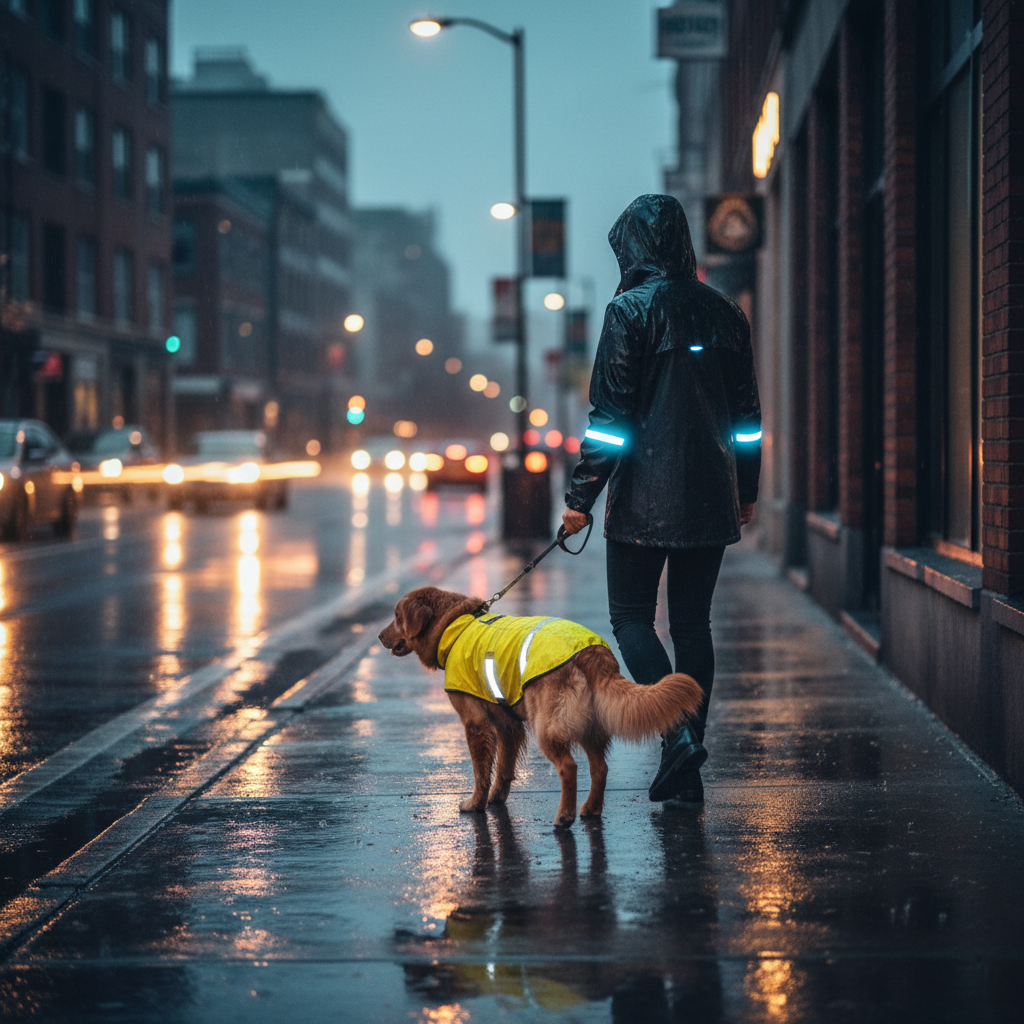
This guide breaks down what actually matters: reflective vs high-visibility color, waterproof ratings in plain English, fit that won’t chafe, and a quick checklist to pick the right option for your neighborhood and your dog’s habits.
What “reflective” really means (and what it doesn’t)
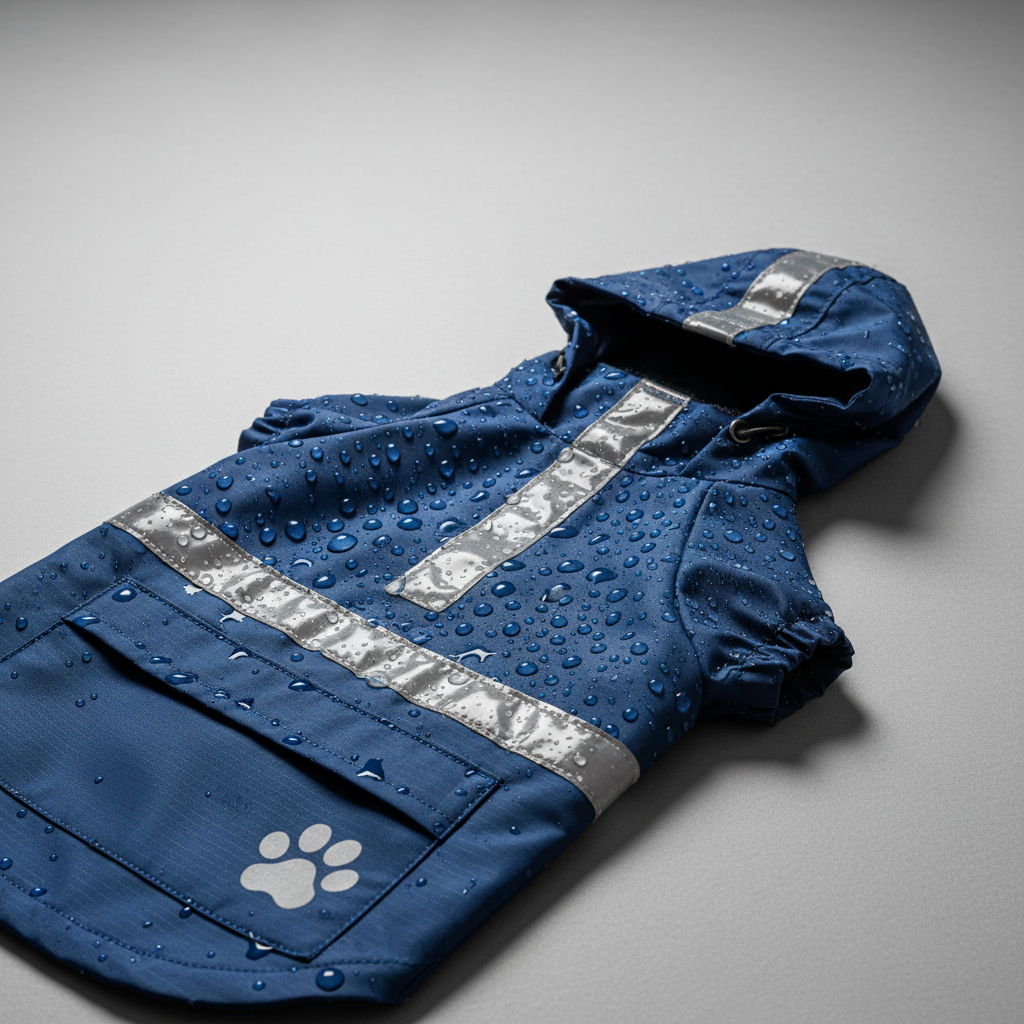
Reflective material works when light hits it, then bounces back toward the source, so headlights or a flashlight make your dog “pop.” That’s different from bright colors, which help in daytime and overcast weather but don’t glow on their own at night.
Usually, the best visibility comes from combining both: high-visibility color + reflective placement. If a product only has a tiny reflective logo, it may not perform the way people expect during low-light walks.
- Reflective trim/tape: Best for night visibility when light hits it.
- Hi-vis fabric (neon yellow/orange): Better in daytime, fog, drizzle, and shaded areas.
- LED add-ons: Great visibility, but needs charging and can bother some dogs.
According to the U.S. Federal Highway Administration (FHWA), retroreflective materials help improve conspicuity in low-light conditions, which is why they’re used in road safety gear. That same principle is what you want on your dog’s outerwear.
Why dogs still get “lost” in the rain: common real-world causes
Most owners focus on waterproofing first, then realize the harder problem is contrast. Rain creates glare and reduces depth perception for drivers, and dark, wet fur can look like a shadow near the curb.
Here are the issues that tend to stack up in real life:
- Reflective coverage is too small, so the dog disappears from side angles.
- Hood or collar blocks reflective areas when the dog lowers its head to sniff.
- Poor fit shifts the jacket, twisting reflective strips away from headlights.
- Leash position puts the dog closer to traffic than you realize, especially on narrow sidewalks.
- Human gear is visible, dog gear isn’t, so drivers see you and assume the path is clear.
If your main worry is street crossings at dawn or dusk, a dog rain jacket reflective design should prioritize side and chest visibility, not just the back.
Quick self-check: what your dog needs (30 seconds)
Before shopping, answer these honestly. It’ll save you from buying a jacket that looks right but underperforms outside.
- Walking time: Mostly daylight, dusk/dawn, or after dark?
- Road exposure: Quiet neighborhood, busy intersections, or no sidewalks?
- Coat type: Short hair (chills faster) or thick coat (overheats easier)?
- Body shape: Deep chest, long back, broad shoulders, or slim build?
- Behavior: Pulls, rolls, or hates anything touching legs?
In many cases, nighttime + busy streets means you want larger reflective panels, not just piping. Daytime trail walks in steady rain can prioritize breathability and full coverage.
Buying criteria that matter: waterproofing, seams, and breathability
“Water-resistant” is often fine for light drizzle, but it can soak through in real rain. Look for details that hint at durability rather than marketing:
- Seam sealing: Taped seams reduce leakage at stitching lines.
- Storm flap over zippers: Helps keep water from pushing through.
- Adjustable neck and belly: Limits rain run-in and improves fit.
- Lining and ventilation: Important if your dog runs warm or you walk fast.
Breathability matters because a jacket that traps heat can leave your dog damp from sweat, even if rain stays out. If your dog pants heavily on mild days, consider lighter materials and shorter wear times, and if you’re unsure, it’s reasonable to ask a veterinarian what’s appropriate for your dog’s age and health.
Reflective coverage and placement: a simple way to judge “visible enough”
Forget perfection, aim for “obvious from multiple angles.” The best reflective layouts tend to create recognizable shapes from the front, side, and back.
Coverage zones to prioritize
- Side panels: Most important for cars approaching from behind or intersections.
- Chest area: Helps when your dog faces traffic at a corner.
- Back strip + shoulder area: Useful, but not enough by itself.
Try a quick test at home: in a dark room, shine a flashlight from waist height at your dog wearing the jacket, then move to the side. If only a small spot flashes, you may want a design with more reflective surface or you’ll need to add accessories.
Fit and comfort: staying dry without rubbing or restricting movement
A jacket can be waterproof and reflective yet still become a “nope” if it rubs under the armpits or flaps in the wind. Many returns come down to fit, not quality.
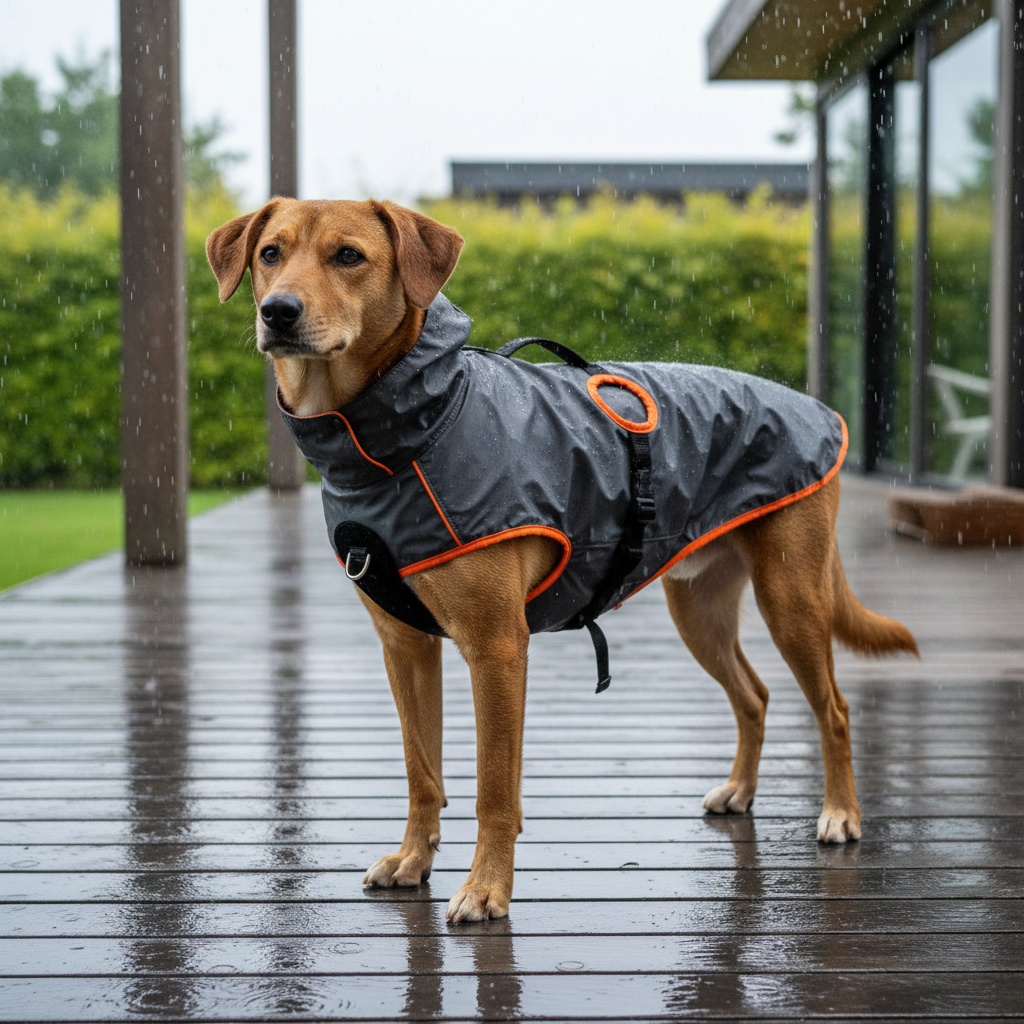
- Neck opening: Should allow full head movement, especially for sniffing.
- Chest and shoulders: Watch for tightness when your dog steps forward.
- Belly coverage: Helpful for splash protection, but should not pinch.
- Harness access: A well-placed leash portal prevents awkward layering.
According to the American Kennel Club (AKC), proper fit for dog clothing should allow comfortable movement and avoid irritation points. That’s a polite way of saying: if your dog walks differently the moment it’s on, the fit is off.
If your dog falls between sizes, many brands recommend sizing up and using adjustments. That often works, but if the jacket balloons or twists, sizing down with a different cut can be the smarter move.
Practical setup: how to get maximum visibility on real walks
Buying the jacket is only half the job. The “system” matters: where you clip the leash, what you carry, and how you position your dog near streets.
Step-by-step routine
- Do a quick fit check before leaving: straps snug, no twisting, reflective areas facing outward.
- Add a light source when walking near traffic: clip-on LED to collar/harness can help in heavy rain, even with a dog rain jacket reflective option.
- Use a shorter leash at crossings and curb edges; many close calls happen with extra slack.
- Carry a small flashlight and aim it low when needed, not in drivers’ eyes.
- Keep your dog on the inside of the sidewalk when possible, away from traffic lanes.
Visibility boosters that usually work
- Reflective leash (simple, effective, cheap).
- Hi-vis bandana or vest layered over the coat if the jacket’s reflective area is limited.
- Glow tag for quick ID if you ever get separated.
Comparison table: choosing the right jacket for your scenario
There’s no one perfect jacket, so match features to where you actually walk.
| Scenario | Best visibility choice | Comfort priority | Nice-to-have |
|---|---|---|---|
| Suburban dusk walks | Hi-vis fabric + reflective sides | Lightweight, adjustable straps | Harness opening |
| City streets at night | Large reflective panels + add-on LED | Secure fit, minimal flapping | Reflective leash |
| Trail walks in steady rain | Reflective trim + bright color | Breathable lining | Higher neck coverage |
| Small dog, low to ground | Reflective chest + side visibility | No rubbing at armpits | Waterproof belly panel |
Common mistakes (the ones people repeat)
These are easy traps, especially when you buy online based on one photo.
- Assuming “reflective” means bright in all light, then skipping a flashlight or LED for stormy nights.
- Ignoring side visibility and ending up with a back-only reflective strip.
- Over-layering and causing overheating; some dogs need a lighter shell, not insulation.
- Buying the wrong cut for deep-chested or long-bodied dogs, then blaming the material.
- Forgetting the human factor: if you’re not visible either, drivers may not slow down.
Also, reflective coatings can wear over time with frequent washing and abrasion. If you notice dulling, it may be time to replace the jacket or add reflective accessories.
When to get professional help (or at least ask a pro)
If your dog shows signs of skin irritation, limping, or anxiety linked to wearing the jacket, consider asking your veterinarian or a qualified trainer for guidance. Some dogs have sensitivities to certain fabrics, and some anxiety behaviors can escalate if you force the gear too fast.
For safety planning near traffic, it’s also reasonable to consult a local trainer about leash manners and positioning, since better walking skills can matter as much as a dog rain jacket reflective feature set.
Key takeaways you can act on today
- Choose visibility from the side, not just a reflective logo on the back.
- Match waterproofing and breathability to your climate and your dog’s coat.
- Test reflectivity at home with a flashlight from different angles.
- Build a simple system: reflective jacket + reflective leash, and add LED for true night walks.
Conclusion
A reflective rain jacket is a practical upgrade for wet-weather walks, but the smartest choice isn’t the shiniest photo online, it’s the jacket that stays put, shows up from the side, and keeps your dog comfortable. Pick coverage and fit first, then add small accessories if your routes demand more visibility.
If you’re shopping this week, start with the flashlight test mindset: you want your dog recognizable from multiple angles, because rain and darkness rarely cooperate.
FAQ
How reflective should a dog rain jacket be for night walks?
For true night walks, look for reflective elements that wrap along the sides and chest, not just a single back strip. If your area has traffic, pairing the jacket with a small LED light often improves visibility more than upgrading materials alone.
Is a bright yellow coat enough, or do I need reflective trim too?
Bright colors help in daytime and gloomy weather, but at night they don’t “return” light the way reflective tape does. Many people end up happier with both, because conditions change mid-walk.
Can reflective material stop working after washing?
It can fade or scuff over time, especially if the jacket rubs against rough surfaces or gets washed aggressively. Following the care label and air-drying when recommended usually helps preserve reflectivity.
Should the jacket go over a harness or replace it?
Most dogs do better with a harness for control, and many rain jackets include a leash portal. If the portal sits in the wrong spot for your harness ring, the jacket may twist, which can reduce visibility and comfort.
What if my dog hates wearing rain gear?
Start indoors for short sessions, reward calm behavior, and keep the first few walks brief. If your dog panics or freezes, a trainer may help you build a gradual plan that avoids turning the jacket into a stress trigger.
Do short-haired dogs need insulated rain jackets?
Sometimes, but it depends on temperature, wind, and your dog’s tolerance. In mild rain, a shell may be enough; in cold, windy conditions, some dogs benefit from insulation, and if you’re unsure, a vet can advise based on age and health.
How do I size a rain jacket if my dog is between sizes?
Sizing up can work if the jacket has strong adjustment points and doesn’t flap or slide. If the fit shifts during walking, consider a different cut designed for your dog’s body type rather than forcing the size.
What’s the easiest add-on if my jacket isn’t reflective enough?
A reflective leash and a clip-on LED are usually the fastest upgrades. They add visibility without changing fit, and they’re easy to move between jackets.
If you’re trying to choose a rain jacket that’s genuinely visible, it helps to treat it like safety gear, not just rainy-day clothing: test reflectivity, prioritize side coverage, and build a setup that fits how and where you walk.