
how to help a dog with cough at home starts with two priorities, keep your dog comfortable and quickly spot signs that mean you should call a veterinarian.
A cough can be something mild like throat irritation, or it can point to contagious respiratory illness, heart disease, airway collapse, even something stuck in the throat. At home, you can do a lot that’s supportive, but you also don’t want to waste time on the wrong kind of “help.”

This guide helps you sort out common cough patterns, do a quick at-home check, set up supportive care, and avoid the easy mistakes, like giving human cough medicine. If anything feels “off,” trust that instinct and get professional input.
What a dog cough can mean (and why it’s not all the same)
Not every cough comes from the same place. A dry, honking cough often suggests irritation in the upper airway, while a wet cough can hint at fluid or mucus lower in the lungs. But reality gets messy, cough sounds overlap, and some dogs gag after coughing, which looks like vomiting but usually isn’t.
Common possibilities veterinarians see include:
- Infectious respiratory disease (often called kennel cough), more likely after grooming, boarding, dog parks, or daycare.
- Allergies or environmental irritation (smoke, dust, strong fragrance, cleaning sprays), often paired with sneezing or watery eyes.
- Tracheal collapse in small breeds, a classic “goose honk” cough that can flare with excitement or pulling on a collar.
- Heart disease, sometimes associated with coughing at night or after lying down, and reduced exercise tolerance.
- Pneumonia, more likely with lethargy, fever, fast breathing, loss of appetite.
- Foreign material (a blade of grass, small toy piece), often sudden onset, intense coughing or gagging.
According to the American Veterinary Medical Association (AVMA)... coughing can be a sign of respiratory disease and pet owners should consult a veterinarian when signs persist or worsen.
Quick at-home check: decide if this is “monitor” or “go now”
If you only do one thing, do this short assessment. It helps you decide whether home care makes sense or whether you need urgent veterinary help.
Go to an emergency clinic now if you see any of these
- Breathing looks hard: belly heaving, neck extended, nostrils flaring, or your dog can’t settle
- Blue/gray gums or very pale gums
- Collapse, fainting, extreme weakness
- Repeated gagging with distress and you suspect choking
- Resting respiratory rate stays high (many calm adult dogs are roughly 15–30 breaths/min; if it’s persistently much higher, call a vet)
- Puppy, senior, or immunocompromised dog with significant cough
Call your veterinarian within 24–48 hours if any apply
- Cough lasts more than a couple of days, even if energy seems okay
- Thick nasal discharge, fever, poor appetite, or lethargy shows up
- Coughing gets worse at night or after lying down
- Your dog recently boarded, went to daycare, or met many dogs
- You hear wheezing, or there’s a “honking” pattern in a small breed
And if you’re unsure, call anyway. A quick conversation can save a lot of guessing.
How to help a dog with cough at home: supportive care that’s usually safe
When your dog is otherwise stable, the goal is to reduce irritation, keep hydration up, and limit triggers while you monitor closely.
1) Create a low-irritant environment
- Pause candles, incense, vaping, smoking, strong essential oil diffusers, and aerosol cleaners.
- Use a HEPA air purifier if you have one, or at least ventilate gently.
- Keep your dog away from dusty rooms, garage fumes, and heavy fragrance.
2) Use humidity to soothe the airway
- Run a cool-mist humidifier near your dog’s resting area, cleaned daily to prevent mold growth.
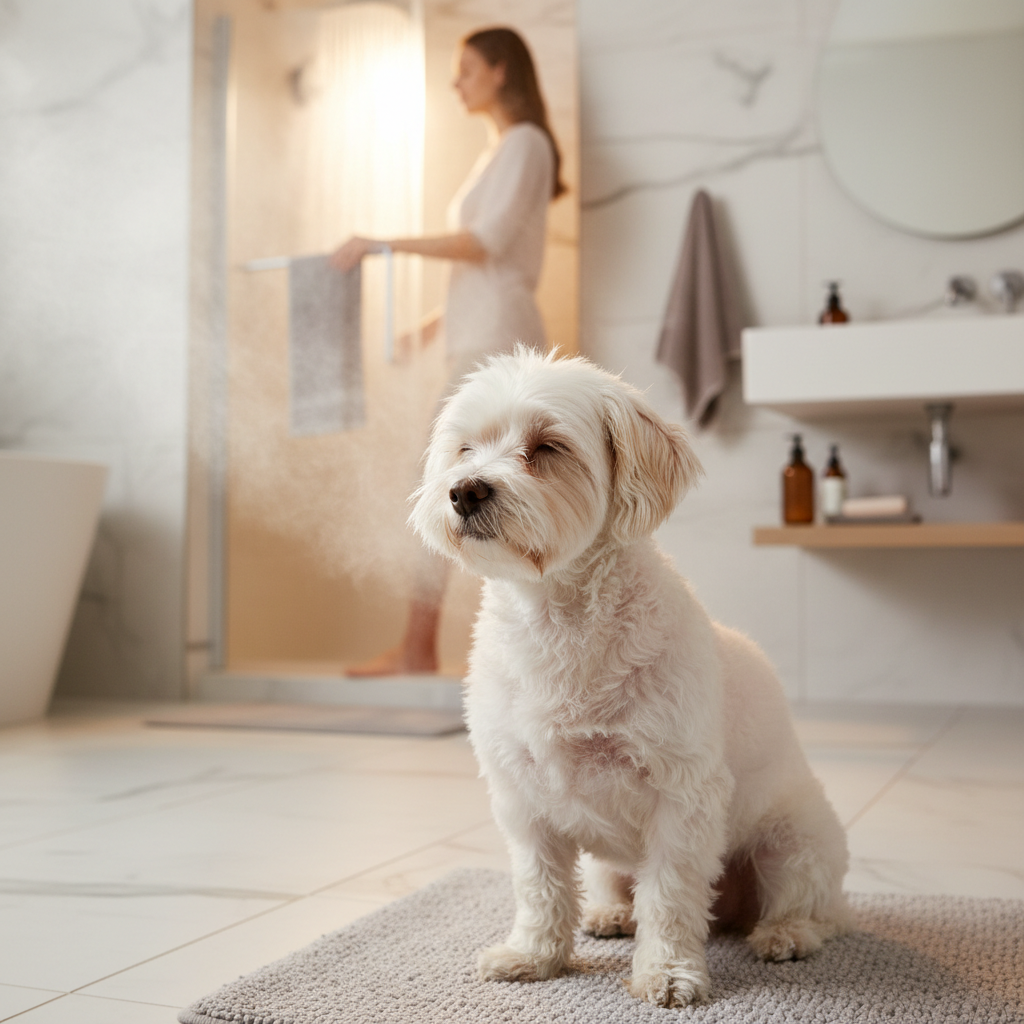
- If you don’t have one, a short “steam session” can help some dogs: sit with them in a bathroom while hot water runs for 10–15 minutes. Keep it calm, no overheating.
3) Offer fluids and keep meals simple
- Encourage water intake, consider offering ice chips for some dogs.
- If appetite dips, try slightly warmed wet food or adding warm water to kibble.
- Avoid forcing food; if appetite stays down, call your vet.
4) Rest and reduce excitement
- Short leash potty breaks only, skip running and rough play for a few days.
- Minimize barking triggers, because repeated barking can keep the cough cycle going.
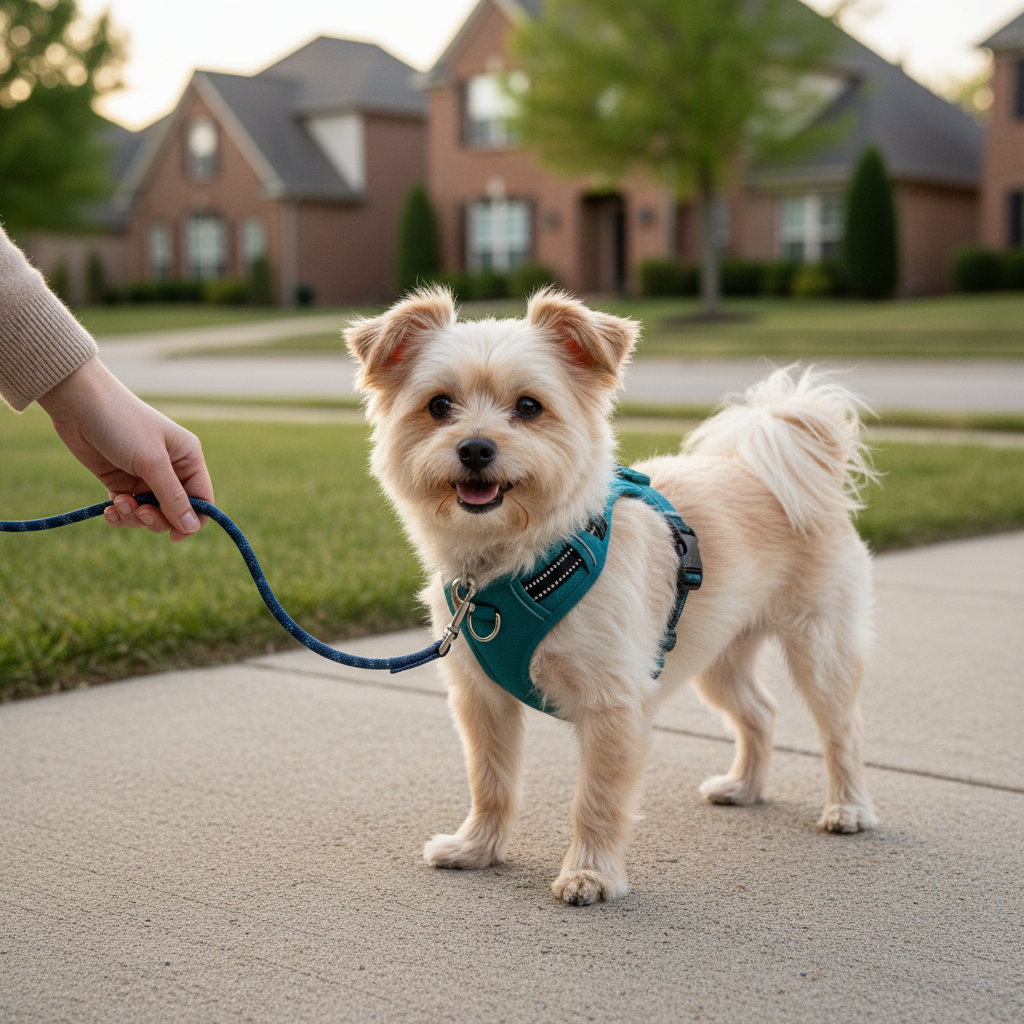
5) Switch from collar to harness
If pulling or pressure on the neck triggers coughing, a front-clip harness can reduce tracheal irritation. It’s a small change that often makes a noticeable difference.
What to avoid (this is where many people accidentally make it worse)
When you’re stressed and tired, it’s tempting to reach for whatever helps humans cough. That’s where problems start.
- Do not give human cough/cold meds unless your veterinarian instructs you. Many contain ingredients that are unsafe for dogs.
- Avoid honey in puppies under 1 year due to botulism risk, and use caution in diabetic dogs.
- Skip essential oils and vapor rub products around dogs, respiratory irritation is common and ingestion risk is real.
- Don’t push hard exercise “to clear the lungs.” If it’s an infection or heart issue, exercise can backfire.
- Don’t assume it’s allergies because pollen is high. Dogs can get infections at the same time, and the cough sound can fool you.
According to the ASPCA Animal Poison Control Center... many human medications can be toxic to pets, and owners should consult a veterinarian before giving any medication.
A practical monitoring plan (with a simple table)
If you’re trying to figure out how to help a dog with cough at home without spiraling into guesswork, track a few basics for 2–3 days. You’re looking for trend, not perfection.
| What to track | What “okay” can look like | Call the vet sooner if… |
|---|---|---|
| Cough frequency | Same or slowly improving | Rapidly increasing, fits that won’t stop |
| Energy | Mostly normal, still interested in food | Quiet, hiding, unwilling to walk |
| Breathing at rest | Easy, steady, no belly effort | Labored, fast, noisy, open-mouth breathing |
| Nasal discharge | None or mild clear | Thick, yellow/green, blood-tinged |
| Appetite/water | Eating and drinking enough | Refusing food, dehydration concern |
Write it in your phone notes. If you end up calling the vet, this information helps them triage much faster.
Extra tips by scenario (because the “right” help depends on the cause)
Some patterns show up often enough that it’s worth tailoring your home steps a bit.
If your dog recently visited daycare/boarding
- Assume contagious illness is possible and limit contact with other dogs while you monitor.
- Disinfect shared bowls and wash bedding.
- Ask your vet whether an exam is needed now or if short monitoring is reasonable.
If it’s a small dog with a honking cough
- Use a harness, avoid tugging on the leash.
- Keep excitement down during flare-ups, even greeting at the door can trigger coughing.
- Weight management matters over time, but don’t attempt rapid changes while your dog feels unwell.
If coughing mainly happens at night
- Note sleep position and whether coughing starts after lying flat.
- Ask your vet about heart and airway evaluation, especially in older dogs.
If there’s gagging after coughing
- This can happen with kennel cough and throat irritation, but sudden severe gagging warrants a vet call to rule out foreign material.
- Bring a short video to your appointment, it helps more than describing the sound.
Key takeaways and when to seek professional help
If you’ve been wondering how to help a dog with cough without overreacting, the sweet spot is supportive care plus clear guardrails. Comfort measures can be meaningful, but they don’t replace diagnosis when warning signs appear.
- Support at home: humidity, rest, hydration, low-irritant air, harness over collar.
- Watch trends: worsening frequency, reduced energy, appetite drop, breathing effort.
- Act quickly: breathing trouble, blue gums, collapse, suspected choking mean urgent care.
According to the American Animal Hospital Association (AAHA)... prompt veterinary attention is recommended when pets show signs of respiratory distress or persistent coughing, since underlying causes vary widely.
If your dog’s cough lasts more than a couple of days, comes with lethargy, or your gut says this is more than a simple irritation, schedule an exam and bring notes plus a video of the cough.
FAQ
How long can I monitor a mild dog cough at home?
If your dog acts normal, eats and drinks, and breathes comfortably, many people monitor for 24–48 hours while doing supportive care. If it persists beyond a few days or worsens, a veterinary exam becomes more important.
Can I give my dog honey for a cough?
Some owners use small amounts of honey for throat soothing, but it’s not appropriate for every dog. Avoid in puppies under 1 year, use caution with diabetes or weight concerns, and check with your vet if you’re unsure.
Is my dog contagious if it’s coughing?
It can be. If the cough started after contact with other dogs or there’s nasal discharge, treat it as potentially contagious and keep distance from other pets until a vet guides you.
What does a “kennel cough” sound like?
Often it’s a dry, hacking cough, sometimes with a honk and a gag at the end. That said, other conditions can sound similar, so sound alone shouldn’t be your only clue.
Why is my dog coughing but acting normal?
Mild irritation, early infection, or allergies can cause a cough while energy stays decent. The key is whether the cough improves over a day or two and whether any new signs show up.
Should I use a humidifier for a dog with a cough?
A cool-mist humidifier can help some dogs by reducing airway dryness. Keep the device clean to prevent mold or bacteria buildup, and stop if your dog seems stressed by the noise or airflow.
When is coughing in older dogs most concerning?
When it’s paired with exercise intolerance, coughing at night, fainting episodes, or labored breathing. Older dogs have higher odds of heart or chronic airway issues, so earlier veterinary evaluation tends to be sensible.
If you’re trying to decide whether your situation is safe to manage at home or you want help preparing what to tell the vet, a quick symptom log plus a short cough video is often the most “efficient” next step, it makes remote guidance and in-clinic exams much more straightforward.