
PetBuddy is one of those pet brands people notice online, then immediately wonder the same thing: is it actually reliable, or just good marketing? If you’re buying anything your dog or cat will eat, wear, or sleep on, that question matters because the downside is rarely “wasted money” only.
This review focuses on what you can realistically verify as a shopper in the U.S.: brand transparency, product basics, customer support signals, and the safety wording you should look for. I’ll also share a quick decision checklist, so you can stop doom-scrolling reviews and make a call.
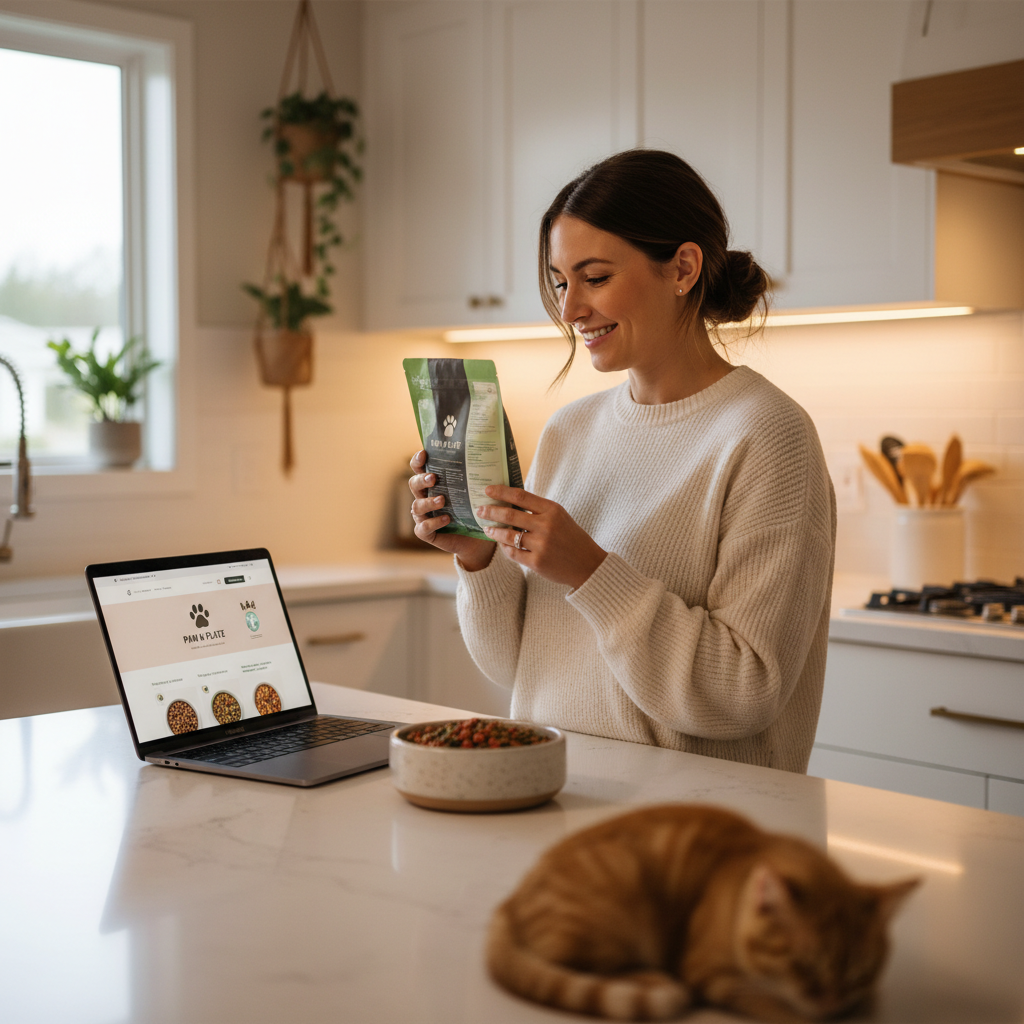
One quick clarification: “reliable” can mean different things. For some people it means consistent shipping and easy returns, for others it means ingredient sourcing and veterinary alignment. You’ll see both angles below.
What “reliable” should mean in a PetBuddy review
When evaluating a pet brand, I usually separate reliability into three buckets: product trust, business trust, and fit for your specific pet. A brand can do well in one area and still disappoint in another.
- Product trust: clear materials/ingredients, sensible claims, and quality control cues (batch info, lot codes, care instructions).
- Business trust: transparent contact info, fair return policy, and support that behaves like a real team, not a disappearing email form.
- Pet fit: your pet’s age, allergies, sensitivities, chewing behavior, and medical history often decide the outcome more than any brand name.
According to the U.S. Food & Drug Administration (FDA), pet food complaints can be reported through its Safety Reporting Portal, and consumers should contact a veterinarian if a pet becomes ill after eating a product. That’s not a comment on any single brand, it’s a reminder that “watch your pet” beats “trust the label.”
PetBuddy reliability signals you can check in 10 minutes
If you’re reading this because you want a fast answer, here’s the reality: you probably won’t “prove” a brand is reliable from a single webpage. But you can spot patterns that usually correlate with fewer headaches.
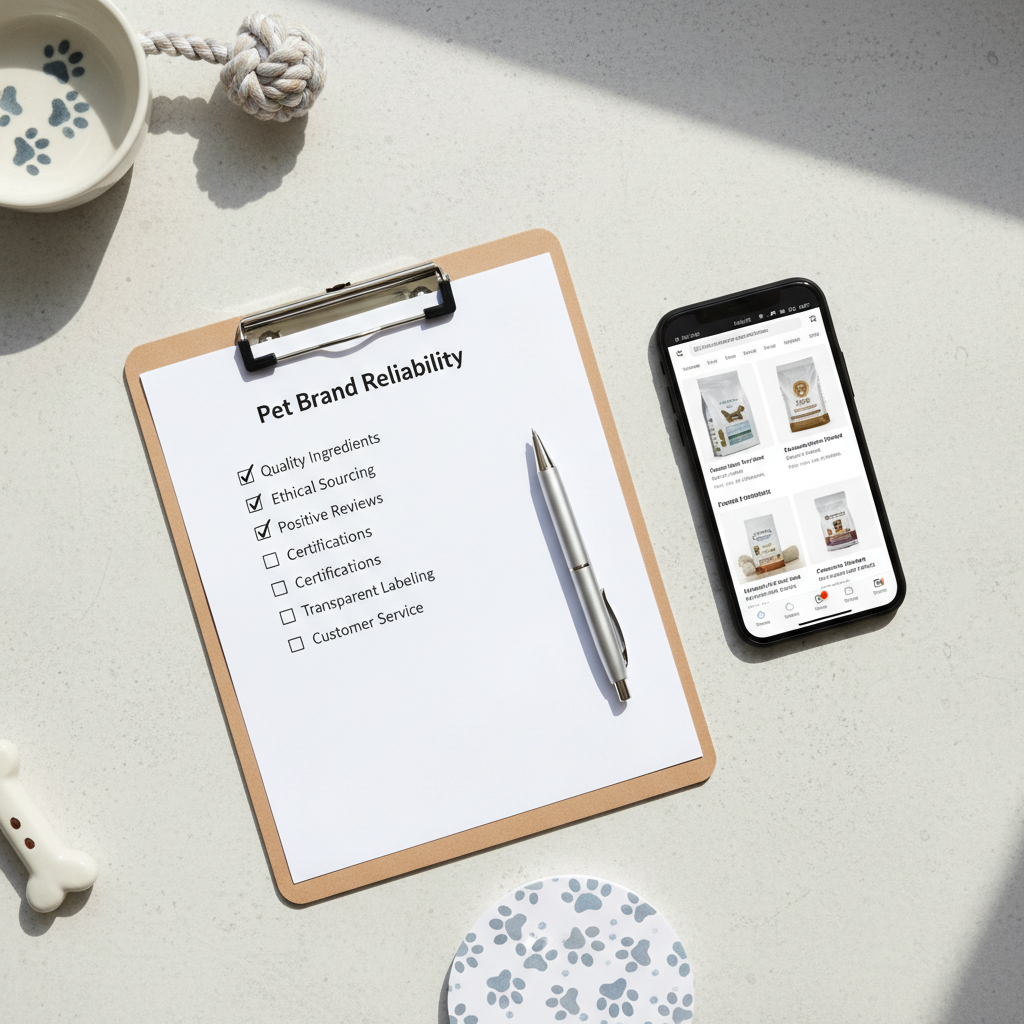
Quick checks that tend to matter:
- Real-world contact info: a U.S. address (or clearly stated location), phone support hours, and a working support channel.
- Return policy clarity: timelines, condition requirements, and who pays return shipping.
- Specific product details: sizing charts that look tested, material composition percentages, feeding guidance (if applicable), and care instructions.
- Claim language: “supports” and “may help” is normal; aggressive medical promises are a red flag for most categories.
- Review quality: mixed reviews with specific pros/cons often feel more credible than wall-to-wall perfection.
If PetBuddy sells consumables or supplements, look for manufacturing and quality statements that go beyond slogans. According to the Association of American Feed Control Officials (AAFCO), nutritional adequacy statements help consumers understand whether a pet food is complete and balanced for a life stage. If you can’t find anything comparable on relevant products, that’s not automatically “bad,” but it does limit what you can confidently infer.
Common reasons people feel burned by pet brands (and how to avoid it)
Most disappointment I see around pet purchases is less about “scam vs. legit” and more about mismatched expectations. These are the situations that tend to create angry reviews.
- Wrong sizing or fit: harnesses, collars, beds, and clothing run small/large, and pets vary wildly even at the same weight.
- Sensitivity surprises: new foods, treats, and grooming products can trigger stomach upset or skin irritation in some pets.
- Chewer reality: “durable” rarely means “indestructible,” especially for power chewers.
- Shipping timing: subscription-like offers, backorders, or unclear shipping windows create most of the “never arrived” stress.
If your main concern is safety, build in a small test. For food or treats, many vets suggest a gradual transition, and for topical/grooming items a small patch test may be reasonable, though you should consult a veterinarian for pets with known allergies or skin disease.
Practical buying plan: how to try PetBuddy with less risk
This is the approach that usually keeps regret low without turning you into a full-time investigator.

- Start with the lowest-stakes item: pick a non-critical product first (toy, accessory) before anything ingestible, if that fits your needs.
- Choose one variable at a time: don’t change food, treats, and shampoo in the same week, you’ll never know what caused a reaction.
- Document the basics: take a quick photo of the label, lot/batch info (if present), and the condition on arrival.
- Read the “boring” parts: warranty, washing instructions, and what counts as “final sale.” That’s where reliability shows up.
At-a-glance decision table
| What you see | What it usually suggests | What to do next |
|---|---|---|
| Clear ingredients/materials + realistic claims | Better transparency and lower hype risk | Buy one item, keep receipts, monitor results |
| Vague labeling, heavy “miracle” language | Marketing-first positioning | Pause, compare alternatives, ask support for specifics |
| Easy-to-find support + straightforward returns | Lower hassle if something goes wrong | Proceed, but verify shipping timelines |
| Confusing policies or missing contact details | Higher risk of frustration | Consider buying through a marketplace with buyer protections |
Conclusion: Is PetBuddy a reliable pet brand in 2026?
A fair conclusion for most shoppers is this: PetBuddy can be worth trying if you verify basics like labeling, policies, and support responsiveness, and if you start with a low-risk purchase. Reliability is less about a single five-star quote and more about whether the brand gives you enough information to make a safe choice for your specific pet.
Key takeaways:
- Trust signals are practical: clear policies, clear specs, and reachable support usually beat flashy claims.
- Safety needs a plan: introduce new consumables gradually and consult a veterinarian when your pet has sensitivities or medical issues.
- Start small: one product, one change, then decide whether PetBuddy earns a bigger spot in your routine.
If you’re considering PetBuddy right now, take five minutes to run the checklist above, then place a test order you’d be comfortable “learning from,” not betting everything on.