
How to treat hot spots on cats starts with two priorities: stop the skin from getting worse tonight, and figure out what triggered the flare so it does not keep coming back. Hot spots can look minor at first, but they often spread fast because cats lick, chew, and scratch the area without realizing the damage.
If you are here because you found a damp, red patch under matted fur, or your cat suddenly will not stop grooming one spot, you are not overreacting. Hot spots can become infected, painful, and surprisingly hard to heal if the underlying cause stays in place.
This guide focuses on practical, at-home first aid that is usually considered low-risk, plus a clear line for when you should stop DIY and call your veterinarian. You will also get a quick checklist to decide whether you are dealing with a true hot spot or something else like ringworm, fleas, or a bite.
What a “hot spot” on a cat usually looks like (and why it spreads)
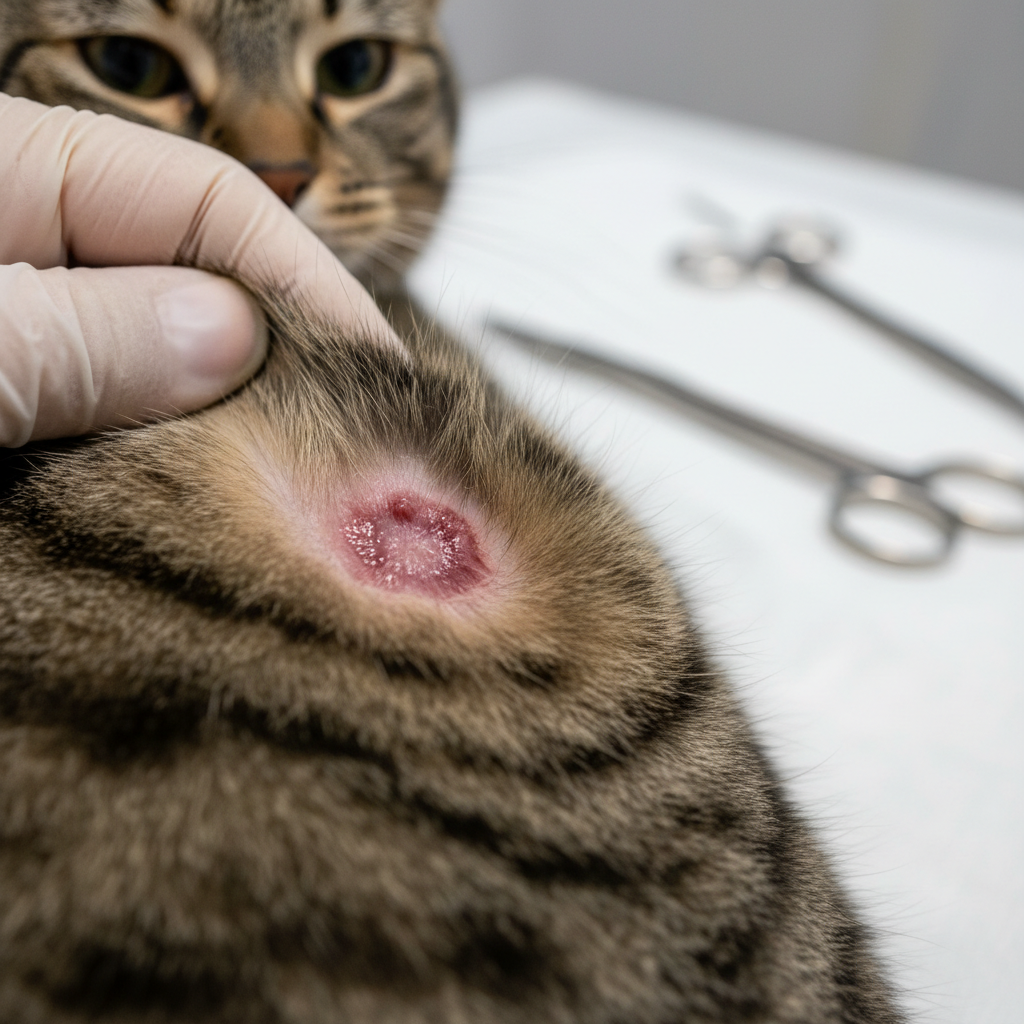
Hot spots are commonly called acute moist dermatitis, meaning an inflamed skin patch that stays damp and irritated. The dampness often comes from saliva (licking) plus trapped moisture under fur.
Many cat hot spots share a few recognizable traits:
- Red, raw, or oozing skin, sometimes with a shiny wet surface
- Hair loss or hair that clumps and mats over the area
- Strong itching or pain; some cats yelp when touched
- Rapid expansion over 24–72 hours if licking continues
- Odor can appear if infection develops
According to the American Veterinary Medical Association (AVMA), skin problems can worsen quickly when pets self-traumatize the area by licking and scratching, which is why early intervention and a veterinary exam may be needed for persistent or severe lesions.
Common causes: the real reason your cat won’t stop licking
Home care works better when you treat the trigger, not just the sore. In many households, the “trigger” is not obvious, and it can be more than one thing at the same time.
Typical triggers veterinarians look for
- Fleas or flea allergy dermatitis, even when you rarely see fleas
- Environmental allergies (pollen, dust mites, molds), often seasonal
- Food sensitivity, which can show up as skin itch
- Ear infection or ear mites causing head/neck scratching
- Skin infection (bacterial or yeast) that starts small and escalates
- Stress grooming due to routine changes, new pets, boredom
- Matting that pulls skin, traps moisture, and irritates
- Insect bites or minor wounds under thick fur
If your cat has repeated “mystery” flares, many vets start with flea control and a skin/ear exam because those are common and relatively straightforward to rule in or out.
Quick self-check: is this safe to manage at home or a vet visit today?
Here is a fast way to decide what you are dealing with before you start cleaning. If anything feels off, it is usually smarter to call your vet early than to wait until infection is obvious.
At-home care may be reasonable when
- The spot is small (roughly coin-sized), superficial, and your cat acts normal
- You can prevent licking with an e-collar or recovery collar
- There is no fever, no lethargy, and appetite stays normal
- No thick pus, no deep crater, no severe swelling
Contact a veterinarian promptly when
- The area is large, rapidly spreading, or very painful
- You see pus, thick yellow/green discharge, or a strong smell
- Your cat seems lethargic, hides more than usual, or stops eating
- The hot spot is on the face, near the eyes, or inside the ear flap
- Your cat has other issues: diabetes, immune problems, is very young, or a senior
- You cannot safely handle your cat for cleaning without getting scratched
If you are unsure whether it is a hot spot versus ringworm or another contagious skin issue, treat it as “needs confirmation.” Ringworm often shows as circular hair loss with scaling, and it can spread to people and other pets, so guessing wrong has consequences.
How to treat hot spots on cats at home: a careful step-by-step
How to treat hot spots on cats at home is mostly about gentle cleaning, keeping the area dry, and stopping self-trauma. If your cat fights handling, do not force it; stress and scratches make everything worse, and a vet can help with safer options.
Step 1: Stop licking and scratching immediately
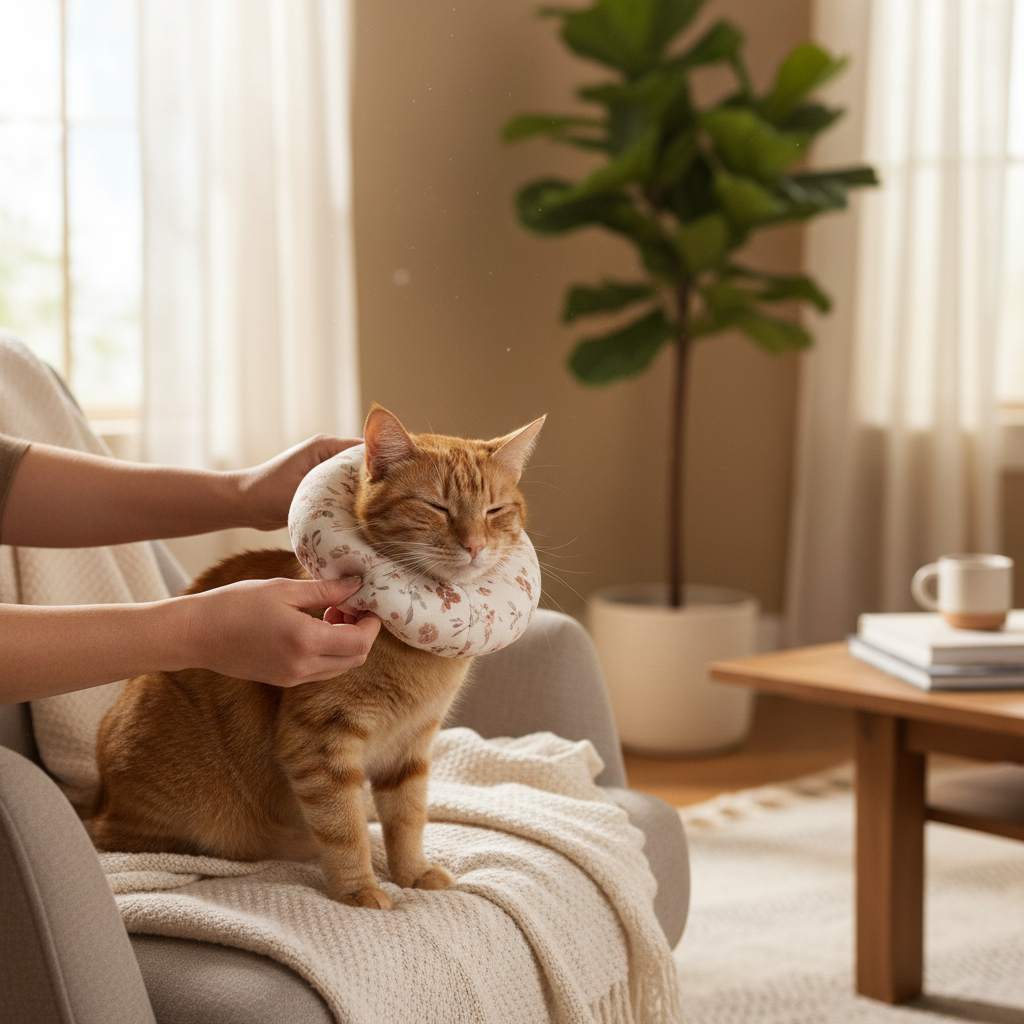
- Use an e-collar (cone) or a soft recovery collar
- Trim nails if your cat tolerates it, to reduce damage from scratching
- Keep the cat indoors and calm, reduce rough play for a few days
This step looks simple, but it is where most home treatment fails. If the cat keeps licking, the spot rarely dries and healing stalls.
Step 2: Gently expose the area (only if safe)
- If fur mats over the lesion, carefully clip around it with pet clippers
- Avoid scissors near skin; cat skin tears easily, especially when inflamed
- If clipping feels risky, skip it and book a vet or groomer visit
Step 3: Clean with a vet-approved antiseptic approach
According to the American Animal Hospital Association (AAHA), appropriate wound care often includes gentle cleansing and preventing further contamination, but product choice and severity matter, so checking with your clinic is reasonable if you are unsure.
- Rinse with sterile saline if you have it (often sold as wound wash)
- Or use diluted chlorhexidine if your vet has recommended a specific product and concentration
- Pat dry with clean gauze, do not rub
Avoid hydrogen peroxide, rubbing alcohol, essential oils, and most human topical creams unless your veterinarian explicitly approves them. These can sting, delay healing, or be unsafe if licked.
Step 4: Keep it dry and monitor twice daily
- Keep bedding clean and dry, wash it more often during healing
- Check for expansion, new discharge, or worsening redness
- Continue the collar until the cat ignores the area consistently
Home care options compared: what helps, what to skip
People often want a single “best” product, but cat skin care is not one-size-fits-all. Use this as a practical comparison, and when in doubt, call your vet and read the label twice.
| Option | When it can help | Common pitfalls |
|---|---|---|
| Sterile saline rinse | Basic cleaning for small, superficial spots | Does not address infection or itch triggers by itself |
| Diluted chlorhexidine (vet-directed) | When mild bacterial overgrowth is suspected | Wrong concentration can irritate; some cats react to additives |
| Recovery collar / e-collar | Almost always helpful to stop licking | Too small allows licking; some cats need a different style |
| Flea control (vet-quality) | If itching likely ties to fleas or flea allergy | Delays happen when only the cat is treated, not the home and other pets |
| Human antibiotic ointment | Sometimes used only under veterinary guidance | Licking risk, ingredient sensitivity, may trap moisture |
| Hydrogen peroxide / alcohol | Usually not recommended for hot spots | Stings, damages healthy tissue, delays healing |
Preventing hot spots from coming back: address the trigger
Once the skin calms down, prevention becomes the real win. Many repeat cases come from a missed trigger, not from “bad cleaning.”
- Run flea prevention consistently, even for indoor cats in many regions, since fleas hitchhike in
- Check ears for debris or odor; head/neck hot spots often trace back to ear irritation
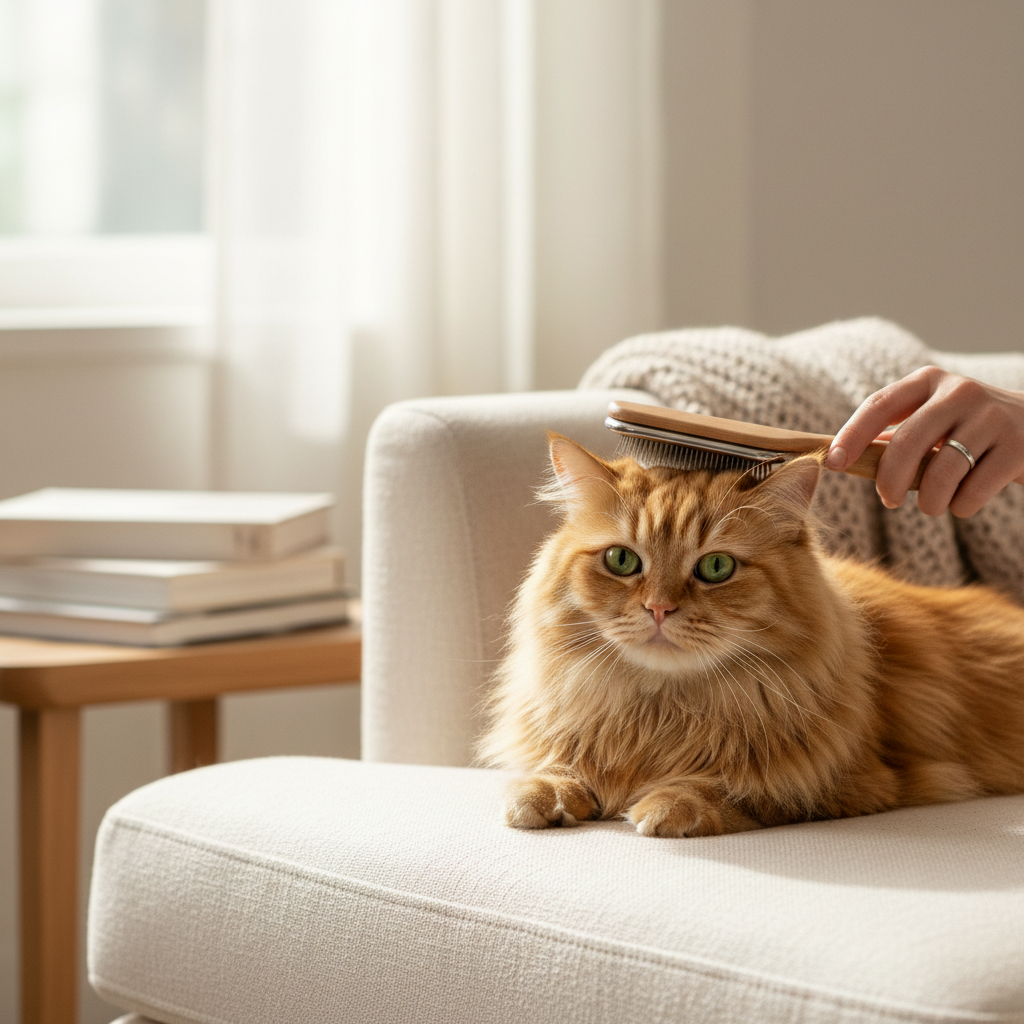
- Brush and de-mat regularly, especially long-haired cats
- Reduce stress grooming: predictable feeding, play sessions, quiet resting spots
- Ask your vet about allergy workups if flares are seasonal or frequent
If you suspect food sensitivity, do not bounce between random diets week to week. Elimination diet trials take time and should be guided by a veterinarian, especially because cats have specific nutritional needs.
Common mistakes that quietly make hot spots worse
A lot of well-meant home care backfires. If your progress feels stuck after a couple days, scan this list and be honest about what might be happening.
- Letting the cat lick “just a little”, which keeps the area wet and inflamed
- Over-washing several times a day, which irritates tissue and delays drying
- Using strong products like alcohol, peroxide, tea tree oil, or fragranced sprays
- Covering the spot with a bandage that traps moisture under fur
- Ignoring fleas because you did not see any, flea allergy can trigger intense itch from one bite
- Skipping pain control, a painful lesion often leads to more agitation and self-trauma, your vet can help here
When professional help is worth it (and what the vet may do)
If you are doing the basics and the lesion still looks angry after 24–48 hours, or if it started severe, a clinic visit is usually the fastest route to relief. Not because you failed, but because infections and allergies often need prescription-level help.
Depending on what your vet sees, they may:
- Clip and clean the area safely, sometimes with mild sedation for stressed cats
- Prescribe antibiotics if bacterial infection seems likely
- Prescribe anti-itch medication to break the lick-scratch cycle
- Check for fleas, mites, yeast, or do skin cytology (a quick microscope check)
- Discuss allergy management, diet trials, or long-term prevention plans
Key takeaways: stop licking early, clean gently with cat-safe options, keep the area dry, and treat the likely trigger. If pain, odor, pus, or rapid spread shows up, do not wait it out.
Wrap-up: a simple plan you can start today
How to treat hot spots on cats at home is mostly about preventing self-trauma and keeping the skin clean without irritating it further, then backing up and asking “what started this?” Put a collar on, clean with a conservative approach, and watch closely over the next day.
If you want one action step that reliably helps, it is this: prevent licking. If you want the second step, it is calling your vet earlier than you think when the spot is large, painful, or not improving, because cats hide discomfort and skin infections can move fast.
FAQ
- How long does it take for a cat hot spot to heal at home?
Small, superficial spots may look better within a couple days if licking stops, but full healing can take longer. If you see no improvement in 24–48 hours, a vet check is a safer call. - Can I use Neosporin or human antibiotic ointment on my cat?
Sometimes veterinarians allow specific products in specific cases, but many cats lick ointment off, and some ingredients can irritate. Ask your clinic before applying anything meant for people. - Do I need to shave the fur around the hot spot?
Exposing the area can help it dry and makes cleaning easier, but clipping cat skin is risky when the area is inflamed. If you cannot do it safely with clippers, let a professional handle it. - Is a hot spot on a cat contagious to humans or other pets?
Hot spots themselves are not usually contagious, but the underlying cause might be, such as ringworm or mites. If you are unsure what it is, treat it as something that needs confirmation. - What if my cat refuses the cone and keeps licking?
Try a different style like a soft recovery collar, inflatable collar, or a properly fitted e-collar. If none work and licking continues, your vet may recommend medication to reduce itch or anxiety while the skin heals. - Could fleas cause a hot spot even if my cat stays indoors?
Yes, in many areas fleas hitchhike in on people or other pets, and some cats react strongly to minimal exposure. Consistent flea prevention is a common part of preventing repeat flares. - Should I bathe my cat to treat a hot spot?
Bathing can stress cats and may leave moisture trapped in the coat, which often backfires. Spot-cleaning and keeping the area dry is usually more practical unless your veterinarian recommends a medicated bath routine.
If you are dealing with recurring flare-ups, or you want a more hands-off plan than trial-and-error at home, your veterinarian can help you build a prevention routine around flea control, allergy management, and skin-safe products that fit your cat’s temperament.